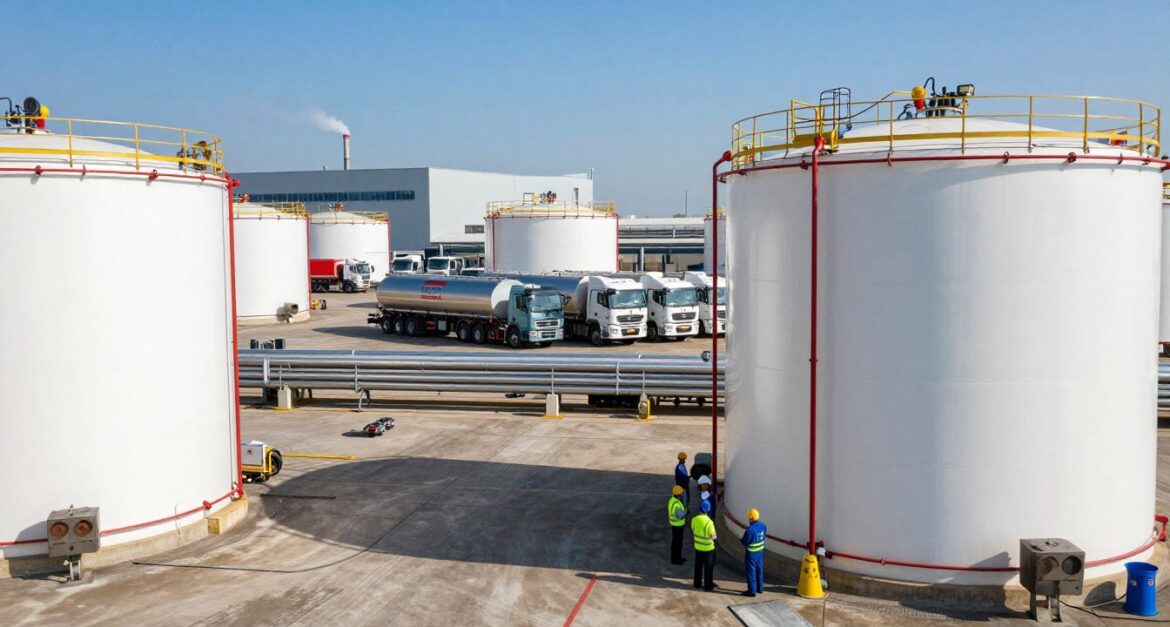
Did you know that over 15 billion barrels of liquid energy move across North America every single year? This massive volume of fuel requires precise handling to keep our economy running smoothly.
Fuel logistics represent a complex web of infrastructure where even minor errors lead to significant safety risks. Professional entities rely on standardised operations to maintain integrity throughout the supply chain.
Mastering these methods ensures that energy resources reach their destination without incident. Efficiency and safety remain the primary goals for every operator in this demanding sector.
Key Takeaways
- Understand the massive scale of fuel movement across the continent.
- Recognise why standardised protocols prevent costly operational errors.
- Learn how professional teams maintain safety during high-stakes transfers.
- Discover the importance of infrastructure integrity in energy logistics.
- Gain foundational knowledge for managing complex supply chain tasks.
Understanding the Fundamentals of Tank-to-Tank Transfers
Mastering the complexities of fuel logistics begins with a deep understanding of how products move between storage vessels. This process requires meticulous planning and a strict adherence to a standardised tank-to-tank protocol to ensure that product quality remains uncompromised during transit.

Defining the Tank-to-Tank Protocol
A formal tank-to-tank protocol serves as the operational blueprint for moving liquid assets between storage facilities. By establishing clear guidelines, organisations can effectively mitigate the risks of contamination and mechanical failure. These standardised tank-to-tank procedures are essential for maintaining the integrity of high-value fuels like EN590 diesel.
When teams follow a rigorous framework, they minimise human error and ensure that every transfer meets safety benchmarks. Consistency in these operations is the primary driver of long-term reliability in the energy sector.
The Role of Global Procurement in Fuel Logistics
Global procurement teams play a vital role in navigating the volatile nature of the international fuel market. They must select the most efficient tank-to-tank methods to ensure that supply chains remain resilient against sudden price shifts or logistical bottlenecks. By coordinating these movements, procurement professionals maintain a steady flow of resources to end-users.
Choosing the right tank-to-tank procedure often depends on the specific infrastructure available at the terminal. The following table outlines the primary considerations for selecting an appropriate transfer strategy:
| Method | Primary Benefit | Risk Level | Operational Focus |
|---|---|---|---|
| Gravity Feed | Cost Efficiency | Low | Static Storage |
| Pump-Assisted | High Speed | Moderate | Active Distribution |
| Pipeline Transfer | Volume Capacity | Minimal | Long-Distance |
| Mobile Tanker | Flexibility | High | Last-Mile Delivery |
The Ultimate Guide to Tank-to-Tank: The Best Procedures
Mastering the complexities of fuel movement begins with the implementation of rigorous, standardised workflows. By adopting these tank-to-tank methods, organisations can ensure that every transfer adheres to strict international safety benchmarks.
Establishing these best practices is vital for any organisation aiming to minimise downtime and maximise throughput. When teams follow a unified process, they significantly reduce the risk of human error during critical operations.
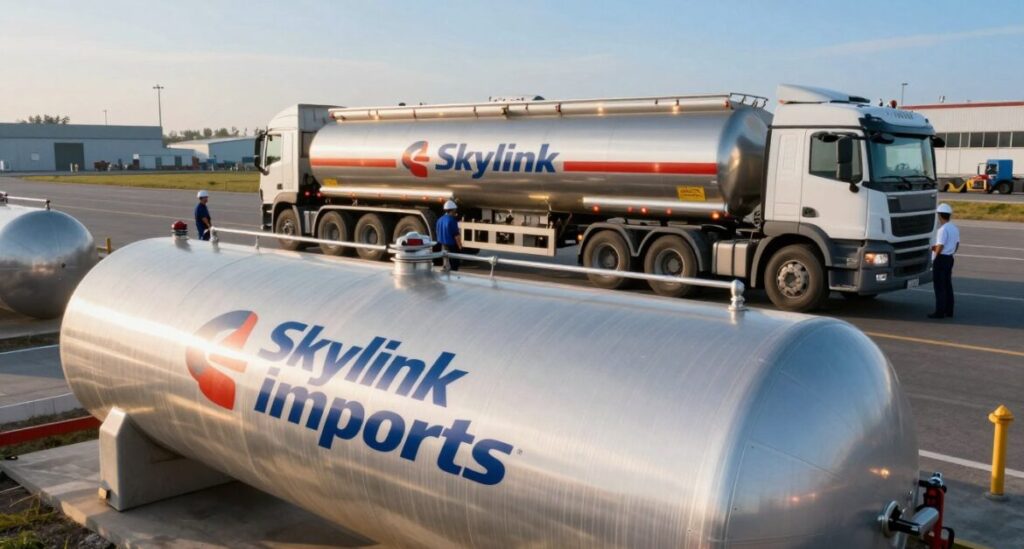
Standardising Operational Workflows
Operational consistency serves as the backbone of a reliable supply chain. Teams must implement standardised checklists that cover every phase of the transfer, from initial valve inspection to final pressure stabilisation.
These workflows ensure that all personnel remain aligned with global safety standards. By removing ambiguity from the process, companies can maintain a high level of operational integrity regardless of the geographic location.
Key Documentation Requirements for International Transfers
Moving fuel across borders requires meticulous attention to detail regarding regulatory paperwork. Proper documentation prevents legal hurdles and ensures that shipments move through customs without unnecessary logistical delays.
Essential documents typically include a verified Bill of Lading, a Certificate of Origin, and detailed quality analysis reports. Utilising consistent tank-to-tank methods for document management allows firms to maintain full transparency with port authorities and regulatory bodies.
Accurate record-keeping is not just a legal necessity; it is a strategic advantage. Organisations that maintain organized digital archives can respond quickly to audits and verify the compliance of their fuel assets at any time.
The Role of Skylink Imports in Global Supply Chains
Skylink Imports plays a pivotal role in modern logistics by connecting global manufacturers with key markets across North America. By focusing on high-level efficiency, the company has established itself as a vital link in the international trade network. Their strategic approach ensures that complex procurement needs are met with precision and speed.
Bridging Manufacturers and Consumers
The core mission of Skylink Imports involves simplifying the path from production facilities to the end user. They specialize in sourcing diverse products, ensuring that quality remains consistent throughout the entire journey. This dedication to excellence allows businesses to maintain steady operations without the typical delays associated with global sourcing.
By leveraging a vast network of partners, the company effectively manages the flow of goods across borders. They prioritise transparency and clear communication, which are essential for maintaining long-term relationships. This approach helps manufacturers reach new audiences while providing consumers with reliable access to necessary resources.
Ensuring Reliability in Cross-Border Procurement
Reliability is the cornerstone of successful international trade, especially when dealing with sensitive logistics. Skylink Imports adheres to a strict tank-to-tank protocol to ensure that every transfer meets safety and quality standards. These rigorous tank-to-tank procedures minimise risks and prevent costly interruptions during the distribution process.
“True supply chain resilience is built on the foundation of consistent protocols and unwavering commitment to quality standards.”
When operating within North America, the company utilizes advanced tracking and verification methods to maintain control. The following table outlines the key advantages of their procurement strategy compared to traditional methods:
| Feature | Traditional Procurement | Skylink Imports Approach |
|---|---|---|
| Protocol Adherence | Variable | Strictly Standardized |
| Risk Management | Reactive | Proactive Monitoring |
| Supply Chain Speed | Moderate | High Efficiency |
| Verification | Manual | Automated Systems |
By implementing a standardized tank-to-tank protocol, the firm ensures that every shipment is handled with care. Their commitment to these tank-to-tank procedures provides clients with the peace of mind needed to focus on their core business objectives. This level of reliability is what sets them apart in a competitive global landscape.
Preparing for a Successful Tank-to-Tank Operation
Achieving a seamless fuel transfer begins long before the pumps are turned on. This tank-to-tank guide emphasizes that meticulous planning is the primary defense against operational delays and safety hazards. By focusing on the details early, teams can ensure that every movement of product remains efficient and secure.
Site Inspection and Safety Compliance
Before any equipment is connected, a thorough site inspection is mandatory. Operators must verify that all grounding cables are secure and that fire suppression systems are fully functional. These tank-to-tank steps are essential to mitigate the risk of static discharge or accidental spills during the transfer process.
Safety compliance extends beyond the physical hardware to include the surrounding environment. Personnel must confirm that all emergency shut-off valves are accessible and clearly marked. Maintaining a clean, hazard-free zone is a critical requirement for any high-volume fuel operation.
Verifying Product Specifications for EN590 Diesel
Quality control is the final gatekeeper before the transfer commences. When handling en590 diesel, it is vital to cross-reference the laboratory analysis report with the current batch documentation. This verification ensures that the fuel meets the specific sulfur content and density requirements mandated by international standards.
Discrepancies in product quality can lead to significant financial losses and engine damage. Therefore, taking the time to validate the technical specifications prevents the movement of non-compliant fuel. Precision in testing protects both the supplier and the end consumer, ensuring that the integrity of the supply chain remains intact.
Technical Requirements for Secure Fuel Transfers
Mastering the technical requirements of a tank to tank procedure is essential for operational safety and efficiency. When moving high volumes of fuel, even minor deviations in equipment performance can lead to significant logistical failures. Operators must prioritize precision to ensure that every transfer meets industry benchmarks.
Equipment Calibration and Maintenance Standards
Reliable fuel transfers begin with the rigorous maintenance of hardware. All flow meters, pressure gauges, and emergency shut-off valves require consistent calibration to remain accurate. Without regular audits, equipment may provide false readings, leading to potential overfills or system leaks.
Following a structured tank-to-tank guide ensures that maintenance schedules are never overlooked. Technicians should document every calibration event to maintain a clear audit trail. This practice is vital for compliance and long-term asset protection.
“Safety in fuel logistics is not an accident; it is the result of high intention, sincere effort, and intelligent execution of technical standards.”
Managing Pressure and Flow Rates During Pumping
Controlling the physical dynamics of fuel movement is a critical component of the tank-to-tank steps required for success. Excessive pressure can compromise hose integrity and lead to catastrophic equipment failure. Operators must monitor flow rates continuously to prevent static electricity buildup and environmental hazards.
The following table outlines the standard operational thresholds that teams should maintain during active pumping operations to ensure maximum security.
| Parameter | Standard Range | Critical Limit | Action Required |
|---|---|---|---|
| Flow Rate | 500-800 GPM | > 1000 GPM | Reduce Pump Speed |
| Line Pressure | 40-60 PSI | > 85 PSI | Emergency Shutdown |
| Valve Response | > 5 Seconds | Immediate Maintenance |
By adhering to these specific technical standards, operators minimize the risk of spills and equipment damage. Proactive monitoring remains the most effective way to guarantee a seamless and secure transfer process every time.
Navigating Regulatory Frameworks in North America and Europe
Operating across North America and Europe requires a deep grasp of specific regional mandates to ensure seamless logistics. Professionals must align their internal processes with local laws to maintain safety and operational integrity. Mastering these legal requirements is a core component of the best tank-to-tank techniques used in the industry today.
Compliance Standards in the USA and Canada
In the USA, fuel transfers are strictly governed by the Environmental Protection Agency (EPA) and the Department of Transportation (DOT). These agencies mandate rigorous spill prevention and containment protocols to protect public infrastructure. Operators must ensure that all equipment meets federal safety certifications before initiating any transfer.
Similarly, Canada enforces stringent regulations through Transport Canada and provincial environmental boards. Companies operating in this region must provide detailed documentation regarding product specifications and emergency response plans. Consistency in reporting across both nations helps firms avoid costly delays and legal penalties during cross-border transit.
Regulatory Hurdles in Germany and the Broader European Market
The regulatory environment in Germany is characterized by highly technical standards and strict adherence to the European Agreement concerning the International Carriage of Dangerous Goods by Road (ADR). Compliance in this region often requires specialised certification for both the personnel and the hardware involved in fuel handling. These rules ensure that environmental risks remain at an absolute minimum during every stage of the process.
Across the broader Europe market, operators must navigate a complex web of EU directives that harmonize safety standards while allowing for local variations. Staying informed about these evolving policies is essential for maintaining a competitive edge. By prioritizing regulatory alignment, businesses can successfully mitigate risks while optimizing their distribution networks across the continent.
Risk Mitigation and Quality Control Measures
Maintaining product integrity during fuel transfers requires a rigorous approach to risk management. Logistics professionals must prioritize safety and precision to ensure that fuel reaches its destination without degradation. By adopting the best tank-to-tank techniques, companies can significantly reduce the likelihood of operational failures.
Preventing Contamination During Transfer
Contamination remains a primary threat to fuel quality during the transfer process. Even minor impurities can compromise the entire batch, leading to severe financial losses and equipment damage. Operators must strictly adhere to cleaning protocols to ensure that tanks are free from residue before loading begins.
International standards play a vital role in shaping these safety procedures. For instance, companies operating in India must navigate specific regional environmental regulations that dictate how fuel is handled and stored. Similarly, firms in the UK follow stringent quality control frameworks to meet high industry benchmarks. Aligning local operations with these global standards is essential for maintaining consistency across borders.
Implementing Real-Time Monitoring Systems
Modern logistics rely heavily on data to maintain oversight from the point of origin to the final destination. Real-time monitoring systems provide the visibility necessary to detect pressure fluctuations or flow irregularities as they happen. This proactive approach allows teams to intervene before a minor issue escalates into a major safety incident.
These systems offer more than just basic tracking; they provide granular data on product temperature and volume. By utilising the granular data on product temperature and volume. By utilising the best tank-to-tank techniques, managers can integrate these digital tools into their daily workflows. This level of transparency ensures that every transfer is documented, verified, and executed with the highest degree of accuracy.
Logistical Challenges in Global Fuel Distribution
Maintaining a steady flow of fuel requires overcoming significant infrastructure gaps and time-sensitive delivery constraints. Global supply chains often face unpredictable disruptions that can stall operations if not managed with precision. Strategic planning is essential to ensure that energy resources reach their destination without unnecessary delays.
Managing Time-Sensitive Deliveries
Time-sensitive deliveries demand rigorous coordination between suppliers and logistics providers. When dealing with high-demand fuel products, even a minor delay can lead to significant financial losses. Reliability remains the cornerstone of successful distribution, requiring constant communication across the entire supply chain.
Effective tank-to-tank tips involve utilizing real-time tracking to monitor transit progress. By anticipating potential bottlenecks, managers can adjust routes to maintain strict delivery schedules. This proactive approach helps mitigate the risks associated with volatile market conditions.
Overcoming Infrastructure Limitations in Emerging Markets
Infrastructure limitations often create substantial hurdles in emerging markets, where road networks or port facilities may lack modern upgrades. Companies must often develop localized solutions to bypass these physical constraints. For instance, comparing operational standards in Canada with those in Germany highlights how different regulatory and physical environments dictate unique logistical strategies.
In regions with underdeveloped infrastructure, firms frequently rely on modular transport methods to ensure consistency. Implementing robust tank-to-tank tips allows operators to maintain efficiency despite the lack of advanced terminal facilities. Adaptability is the key to thriving in these challenging environments, ensuring that fuel reaches its target market safely and on time.
Best Practices for Documentation and Verification
Navigating the complexities of international fuel logistics requires a rigorous approach to documentation. Precision is the primary factor that separates successful operations from those plagued by administrative bottlenecks. By following proven tank-to-tank tips, companies can ensure that every movement of product remains transparent and legally sound.
The Importance of Accurate Bill of Lading
The Bill of Lading acts as the definitive contract between the shipper and the carrier. It serves as a receipt of goods and a document of title, making its accuracy non-negotiable. Any discrepancy in volume, grade, or destination can lead to severe legal and financial repercussions.
When operating in diverse markets like India, local authorities often require specific endorsements on these documents. Ensuring that your Bill of Lading matches the physical cargo specifications is essential for avoiding seizure or heavy fines. Verification should occur at every stage of the loading process to maintain integrity.
Streamlining Customs Clearance Procedures
Efficiency in customs clearance is vital for maintaining a competitive edge in the global energy market. Delays at border crossings often stem from incomplete paperwork or failure to meet regional standards. In Europe, for instance, strict adherence to environmental and safety documentation is mandatory for all fuel imports.
To expedite these processes, firms should adopt digital documentation platforms that allow for real-time verification. Proactive communication with local customs brokers can also prevent unnecessary hold-ups. The following table outlines key documentation focus areas for different regions:
| Region | Primary Focus | Key Requirement | Risk Factor |
|---|---|---|---|
| India | Import Licensing | Customs Duty Proof | Administrative Delays |
| Europe | Environmental Compliance | Quality Certification | Regulatory Non-compliance |
| North America | Safety Standards | Manifest Accuracy | Logistical Bottlenecks |
By prioritizing these tank-to-tank tips, organizations can significantly reduce transit times. Whether you are navigating the regulatory landscape in Europe or managing complex import requirements in India, standardized documentation remains your best defense against operational failure.
Optimizing Efficiency in Large-Scale Procurement
Achieving peak performance in large-scale procurement demands more than just basic planning. Companies must adopt a strategic mindset to manage complex fuel movements while maintaining strict quality standards. By focusing on refined operational workflows, businesses can significantly reduce overhead and improve delivery timelines.
Leveraging Technology for Supply Chain Visibility
Modern logistics platforms provide the transparency needed to oversee every stage of a fuel transfer. Integrating real-time tracking software allows procurement managers to monitor shipments across the USA with precision. This level of oversight is essential for identifying potential bottlenecks before they impact the bottom line.
Digital dashboards offer a centralized view of inventory levels and transit status. When teams utilize these tools, they can implement tank-to-tank best practices that ensure seamless transitions between storage facilities. Enhanced visibility minimizes the risk of human error and keeps stakeholders informed at every critical juncture.
Cost-Effective Strategies for High-Volume Transfers
Managing high-volume procurement requires a balance between speed and fiscal responsibility. For organizations dealing with EN590 diesel, optimizing the frequency and size of transfers is vital to controlling costs. Bulk purchasing combined with efficient routing helps maintain competitive pricing in a volatile market.
Strategic partnerships with reliable logistics providers can further streamline the movement of high-demand products. By adhering to established tank-to-tank best practices, companies can scale their operations without compromising the integrity of the fuel. Consistent quality control for EN590 diesel remains a top priority for firms operating within the USA energy sector.
Ultimately, the goal is to create a resilient supply chain that adapts to changing market conditions. Investing in automated verification systems and data-driven procurement strategies ensures long-term growth and operational excellence.
Email us: info@skylinkimports.com
Website: www.skylinkimports.com