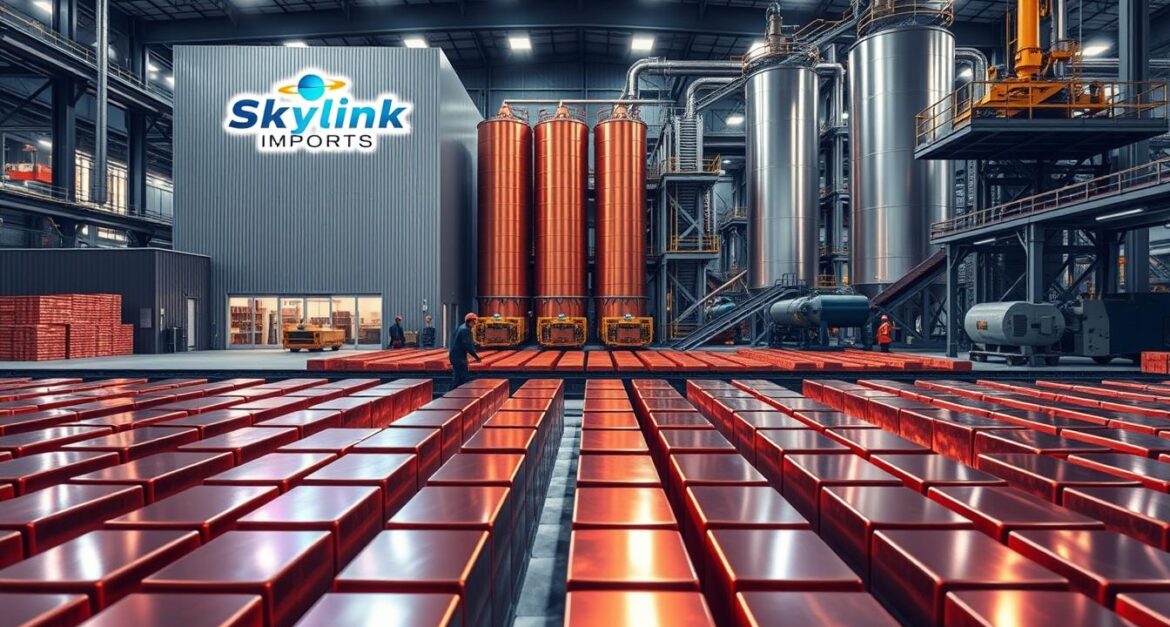
Did you know that over 20 million tons of refined metal are traded annually to power our global infrastructure? Securing high-purity materials remains a critical challenge for procurement teams operating within Canada.
Navigating this complex market requires more than just a list of contacts. It demands a strategic approach to vetting potential partners to ensure consistency and quality in every shipment.
This guide explores the intricacies of the global trade landscape. We provide actionable criteria to help you identify reliable sources while avoiding common pitfalls that often plague industrial metal procurement.
Key Takeaways
- Understand the global demand for high-purity refined metals.
- Learn essential criteria for vetting potential trade partners.
- Identify red flags to avoid during the selection process.
- Gain insights into maintaining transparency in your supply chain.
- Navigate the complexities of cross-border metal trading with confidence.
Understanding the Global Copper Cathode Market
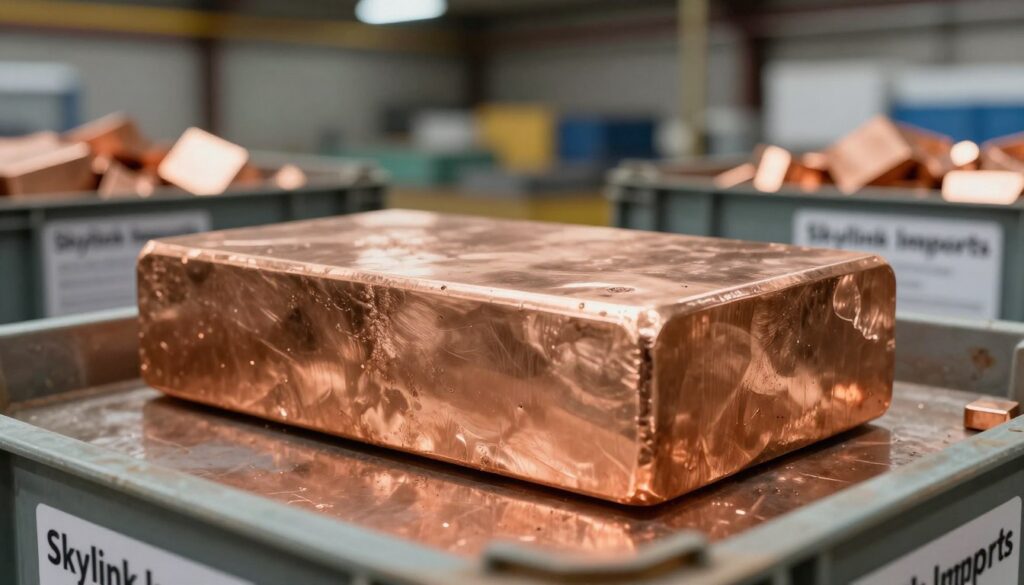
Copper cathode serves as the essential backbone for modern industrial progress across the globe. As a high-purity form of refined copper, it acts as the primary raw material for various manufacturing sectors. Reliability in the supply chain is no longer just an advantage; it is a necessity for companies aiming to thrive in a volatile economic landscape.
The Importance of Copper Cathode in Modern Industry
The versatility of this metal makes it indispensable for both traditional and emerging technologies. From power generation to complex electronics, the demand for high-grade material remains constant. Manufacturers rely on consistent purity levels to ensure the integrity of their final products.
Key industries that depend on a steady supply include:
- Electrical Infrastructure: Essential for wiring, transformers, and power grids.
- Automotive Manufacturing: A critical component for electric vehicle batteries and motors.
- Construction and Telecommunications: Used extensively in cabling and structural components.
Current Demand Trends in Canada and North America
The procurement landscape for copper cathode is shifting rapidly across North America. Major manufacturers in the USA and Canada are increasingly focused on diversifying their sourcing strategies to mitigate geopolitical risks. This shift has forced firms to re-evaluate their relationships with established copper cathode suppliers.
In Canada, the push toward green energy initiatives has accelerated the need for high-quality raw materials. Similarly, the USA industrial sector is seeing a surge in demand driven by infrastructure modernisation projects. Buyers are now prioritising long-term stability over short-term spot pricing to ensure their production lines remain operational.
Effective procurement requires a keen eye on global market fluctuations. By partnering with reputable copper cathode suppliers, businesses can better navigate the complexities of the North American market. Staying informed about these trends is the first step toward building a resilient and efficient supply chain.
Key Criteria for Identifying Authentic Copper Cathode Suppliers
Securing a consistent supply of high-quality industrial metals starts with identifying truly authentic copper cathode suppliers. While low prices often attract attention, the risks of dealing with unverified entities can lead to significant financial losses and production delays. A professional procurement strategy must prioritise due diligence to ensure long-term operational success.
Verifying Supplier Credentials and Export Licenses
The first step in vetting genuine copper suppliers involves a thorough review of legal documentation. You must confirm that the company holds valid export licenses issued by the relevant government authorities in their home country. These documents prove that the supplier is authorised to conduct international trade and adheres to local mining or export regulations.
Beyond basic licenses, check if the company is registered with recognised industry bodies or the London Metal Exchange (LME). Verified credentials serve as a primary indicator of legitimacy. Always request copies of these certificates and cross-reference them with official government databases to avoid fraudulent claims.
Analyzing Financial Stability and Trade History
Assessing the financial health of potential copper cathode suppliers is just as critical as checking their paperwork. A stable supplier should demonstrate a consistent track record of fulfilling large-scale orders without liquidity issues. You can request audited financial statements or bank references to gauge their ability to handle high-volume transactions.
Furthermore, evaluating their trade history provides insight into their reliability and market experience. Look for evidence of past shipments to reputable international clients or long-term partnerships with logistics providers. This historical data helps you determine if the partner can withstand market fluctuations and maintain supply chain continuity.
| Vetting Category | Primary Objective | Verification Method |
|---|---|---|
| Legal Status | Confirm business legitimacy | Check export licenses |
| Financial Health | Ensure supply capacity | Review audited reports |
| Trade History | Validate past performance | Request client references |
| Quality Control | Verify material purity | Inspect lab certifications |
The Best & Genuine Copper Cathode Suppliers for International Buyers
Identifying the best copper suppliers requires a deep understanding of regional production strengths and historical reliability. Canadian procurement teams often prioritise consistency and adherence to international purity standards when selecting their partners. By focusing on established geographic hubs, buyers can effectively mitigate risks and ensure a steady flow of materials for their manufacturing needs.
Top-Tier Suppliers in the European Market
The European market, particularly Germany, remains a cornerstone for high-quality industrial metals. Many of the top copper cathode suppliers in this region operate with advanced refining technologies that guarantee exceptional purity levels. These suppliers are known for their strict compliance with environmental regulations and transparent trade practices.
Working with partners in Europe provides Canadian firms with the assurance of stable logistics and high-grade output. These companies often maintain long-standing relationships with global logistics providers, ensuring that shipments meet tight delivery schedules. Their commitment to quality control makes them a preferred choice for buyers who cannot afford disruptions in their production cycles.
Leading Copper Producers in South America and Africa
South America and Africa host some of the world’s largest mining operations, serving as the backbone of the global supply chain. These regions are home to massive production facilities that supply the bulk of the world’s raw copper. Large-scale operations in countries like Chile and the Democratic Republic of the Congo provide the volume necessary to meet international demand.
While these regions offer significant scale, buyers must perform thorough due diligence to verify the authenticity of their sources. The Best & Genuine Copper Cathode Suppliers for International Buyers in these areas often hold certifications from major global exchanges. Partnering with these established producers allows for competitive pricing and reliable access to raw materials.
| Region | Primary Strength | Market Focus |
|---|---|---|
| Germany/Europe | Refining Technology | High-Purity Industrial Use |
| South America | Production Volume | Global Export Markets |
| Africa | Resource Abundance | Large-Scale Commodity Trade |
Skylink Imports: Bridging the Gap in North American Procurement
For companies in Canada, finding reliable copper cathode suppliers often involves overcoming significant logistical and communication hurdles. The global market is vast, yet identifying partners who maintain consistent quality standards remains a persistent challenge for local procurement teams.
Skylink Imports has carved a unique niche in this landscape by serving as a vital bridge between international manufacturers and industrial consumers. By streamlining the procurement process, they ensure that high-grade materials reach their destination without unnecessary delays or administrative friction.
Core Principles of Efficiency and Reliability
The operational model at Skylink Imports is built upon the foundational pillars of efficiency and reliability. They recognise that in the fast-paced world of industrial manufacturing, time is a critical asset that cannot be wasted on supply chain bottlenecks.
By implementing rigorous vetting processes, the company ensures that every shipment meets strict industry specifications. This commitment to excellence allows their partners to maintain production schedules with confidence, knowing their raw material needs are handled by experts.
How Skylink Imports Facilitates Global Sourcing for Canadian Clients
Navigating the complexities of international trade requires deep expertise in both local regulations and global market dynamics. Skylink Imports assists clients across North America by managing the intricate details of cross-border documentation and shipping logistics.
Their team acts as a dedicated advocate for Canadian businesses, ensuring that reliable copper cathode suppliers are held to the highest standards of transparency. Through this proactive approach, they effectively remove the risks typically associated with long-distance procurement, fostering stable and long-term trade relationships.
Evaluating Quality Standards and Purity Levels
For Canadian manufacturers, the integrity of raw materials is the foundation of every successful production cycle. Maintaining rigorous quality control is the only way to ensure that your copper cathode shipments meet the demanding requirements of modern industrial applications.
When sourcing these materials, buyers must prioritise technical compliance to avoid costly downtime. Precision in procurement is not just a goal; it is a requirement for maintaining competitive output in the global market.
Understanding LME Grade A Specifications
The London Metal Exchange (LME) sets the global benchmark for high-quality metal. To be classified as Grade A, a copper cathode must possess a minimum purity level of 99.9935%. This standard ensures that the material is suitable for high-conductivity electrical wiring and complex alloy production.
“Quality is never an accident; it is always the result of high intention, sincere effort, intelligent direction and skillful execution.”
Buyers should verify that their suppliers provide certificates of analysis that align with these strict LME parameters. Consistent adherence to these standards guarantees that the chemical composition remains stable across every batch received.
Common Impurities and Their Impact on Manufacturing
Even trace amounts of impurities can significantly alter the physical properties of the final product. Elements such as sulfur, iron, and lead can compromise the conductivity and structural integrity of the metal during the smelting process.
The following table outlines how specific impurities affect the performance of copper cathode in industrial settings:
| Impurity | Impact on Quality | Manufacturing Risk |
|---|---|---|
| Sulfur | Reduces ductility | Increased brittleness |
| Iron | Lowers conductivity | Electrical resistance |
| Lead | Weakens joints | Structural failure |
By monitoring these levels closely, procurement teams can prevent unnecessary manufacturing defects. Investing time in verifying the purity of your copper cathode ensures that your facility maintains high efficiency and product reliability.
Navigating Logistics and Shipping for International Copper Trade
When sourcing from international copper suppliers in the UK or Europe, logistics planning is vital. The movement of heavy industrial metals requires precise coordination to ensure that materials arrive in pristine condition. Canadian buyers must prioritise efficient shipping routes to maintain steady production cycles.
Choosing the Right Incoterms for Copper Shipments
Incoterms act as the universal language of global trade, defining exactly where the responsibility shifts from the seller to the buyer. Selecting the correct term is essential to avoid hidden costs and legal disputes during transit. Many Canadian firms prefer terms that clearly delineate when the risk of loss transfers at the port of origin.
Understanding these terms helps in budgeting for insurance, freight, and customs clearance. Whether you are dealing with large-scale shipments or smaller batches, the right choice protects your investment from the moment the copper leaves the warehouse.
| Incoterm | Seller Responsibility | Buyer Responsibility | Risk Transfer Point |
|---|---|---|---|
| FOB (Free on Board) | Loading onto the vessel | Freight and insurance | On board the vessel |
| CIF (Cost, Insurance, Freight) | Freight and insurance | Import duties/taxes | On board the vessel |
| DDP (Delivered Duty Paid) | All costs to the destination | Unloading at the site | At the buyer’s facility |
Managing Port-to-Port Transit Risks
Transit risks are an inherent part of moving copper across oceans. Delays at major hubs can disrupt supply chains, making proactive risk management a critical priority for procurement teams. It is wise to work with reputable freight forwarders who specialise in metal logistics to mitigate these potential setbacks.
Effective communication with your shipping partners ensures that you receive real-time updates on vessel status. By monitoring port congestion and weather patterns, you can adjust your inventory strategies accordingly. This level of oversight is what separates successful importers from those who struggle with unpredictable supply chain disruptions.
Risk Mitigation Strategies for Global Copper Buyers
Securing your investment is paramount when dealing with international copper suppliers in the USA and beyond. High-value commodity trading involves significant financial exposure that requires careful planning and robust protection mechanisms. By implementing professional risk management, buyers can ensure their capital remains safe throughout the procurement cycle.
Utilising Letters of Credit and Secure Payment Methods
The most effective way to mitigate payment risk is through the use of a Letter of Credit (LC). This financial instrument acts as a guarantee from a bank, ensuring that the seller receives payment only after fulfilling specific contractual obligations. It provides a secure framework for both the buyer and the seller during complex international transactions.
Beyond standard LCs, buyers should consider documentary collections or escrow services for smaller shipments. These methods provide a layer of verification that protects against non-delivery or quality discrepancies. Working with reputable international copper suppliers often involves these standardised financial protocols to maintain transparency.
| Payment Method | Risk Level | Security Benefit |
|---|---|---|
| Letter of Credit | Low | Bank-backed guarantee |
| Documentary Collection | Medium | Verification of documents |
| Escrow Services | Low | Funds held by a third party |
| Wire Transfer | High | Immediate but irreversible |
Protecting Against Market Volatility
Copper prices are notoriously sensitive to global economic shifts, making price protection a vital strategy for any business in the USA. Sudden market spikes can erode profit margins if procurement costs are not locked in early. Many successful firms utilise hedging strategies to stabilise their bottom line against these unpredictable fluctuations.
Forward contracts allow buyers to fix the price of copper for future delivery, effectively neutralising the impact of short-term market volatility. By establishing these agreements, companies can forecast their expenses with greater accuracy. This proactive approach ensures that your supply chain remains resilient even when global commodity markets experience significant turbulence.
Regulatory Compliance and Documentation Requirements
Success in the global metal market depends heavily on your ability to manage strict regulatory compliance and documentation. Navigating the legal landscape is a mandatory requirement for any business involved in the international trade of industrial metals. Precision in this area ensures that your shipments move through customs without costly delays or legal complications.
Essential Export and Import Documentation
When working with reputable copper cathode suppliers, you must ensure that all paperwork is accurate and complete. For shipments destined for the UK or other international markets, you will typically need a commercial invoice, a detailed packing list, and a verified Certificate of Origin. These documents prove the legitimacy of the goods and help customs officials determine the correct tariff classifications.
Beyond basic shipping papers, compliance documents are vital for verifying the quality and safety of the copper. You should always maintain a clear audit trail of your transactions to satisfy both local and international trade authorities. Keeping these records organised allows for a smoother clearance process at the port of entry.
Adhering to Environmental and Ethical Sourcing Standards
Modern trade goes beyond simple logistics; it requires a commitment to sustainability and ethical practices. Buyers are increasingly expected to verify that their copper is sourced from mines that follow strict environmental regulations. This transparency is essential for maintaining a positive reputation in the global supply chain.
Adhering to these standards helps mitigate risks associated with human rights concerns and environmental degradation. By choosing partners who prioritise ethical sourcing, you protect your business from potential regulatory backlash. The following table outlines the core documentation and compliance focus areas for international trade.
| Document Type | Purpose | Target Market |
|---|---|---|
| Certificate of Origin | Verifies production location | Global |
| Compliance Declaration | Ensures ethical sourcing | UK & Canada |
| Bill of Lading | Confirms cargo receipt | International |
| Environmental Audit | Validates green standards | UK |
The Role of Inspection Agencies in Verifying Authenticity
When sourcing industrial materials, the gap between a promise and reality is often bridged by independent oversight. Relying solely on documentation provided by a seller can expose Canadian buyers to significant financial and operational risks. Engaging with genuine copper suppliers requires a proactive approach to quality control that begins long before the shipment arrives at a North American port.
Why Third-Party Testing is Non-Negotiable
Third-party inspection agencies serve as the neutral eyes and ears for the buyer in foreign jurisdictions. These firms provide an unbiased assessment of the physical goods, ensuring that the material meets the strict LME Grade A standards required for high-end manufacturing. Without this layer of protection, buyers risk receiving contaminated or off-spec materials that can disrupt production lines.
Working with authentic copper cathode suppliers means that the seller will welcome independent verification. If a supplier resists or attempts to restrict access to the cargo, it is often a red flag indicating potential fraud or poor quality control. Independent testing acts as a vital safeguard, confirming that the chemical composition and physical dimensions align with the agreed-upon contract terms.
“Quality is never an accident; it is always the result of high intention, sincere effort, intelligent direction and skillful execution; it represents the wise choice of many alternatives.”
Common Inspection Protocols at Loading Ports
Professional inspectors follow standardised protocols to ensure the integrity of the cargo during the loading process. These procedures are designed to minimise human error and prevent the substitution of goods after the initial quality check. By maintaining a strict chain of custody, inspectors provide the documentation necessary to clear customs and satisfy insurance requirements.
The following table outlines the critical stages of inspection that protect buyers from substandard shipments:
| Inspection Stage | Primary Objective | Verification Method |
|---|---|---|
| Visual Inspection | Check for surface damage | Physical examination of bundles |
| Chemical Analysis | Verify purity levels | Spectrographic testing of samples |
| Weight Verification | Confirm total tonnage | Certified scale measurement |
| Loading Supervision | Prevent cargo tampering | Continuous monitoring of port activity |
These rigorous steps ensure that the material leaving the port is exactly what the buyer expects. By prioritising these protocols, businesses can confidently navigate the complexities of international trade while maintaining the highest standards of quality and reliability.
Market Trends Influencing Copper Cathode Pricing
Copper cathode prices are currently being reshaped by a unique combination of logistical hurdles and energy transitions. Procurement managers must monitor these shifts closely to maintain healthy profit margins and ensure consistent supply chains.
The Impact of Global Supply Chain Disruptions
Recent years have highlighted the fragility of international logistics. When transit routes face bottlenecks, the availability of raw materials tightens, causing prices to spike for top copper cathode suppliers worldwide.
These disruptions often stem from port congestion and labour shortages in key transit hubs. Such volatility forces buyers to adopt more flexible procurement strategies to avoid production downtime.
“In the world of commodities, the only constant is change, and supply chain resilience is the ultimate competitive advantage.”
Forecasting Future Copper Demand in the Green Energy Sector
The global shift toward renewable energy is creating a massive surge in demand for high-purity copper. Electric vehicles and wind turbine infrastructure require significant amounts of this metal, which directly influences long-term pricing models.
Industrial hubs, particularly in Germany, are aggressively expanding their green manufacturing capabilities. This regional focus on sustainability is driving competition for high-quality materials, often leading to premium pricing for reliable sources.
Strategic planning is now more critical than ever for international buyers. By analysing these trends, companies can better identify top copper cathode suppliers who are prepared to meet the demands of a greener economy.
Building Long-Term Relationships with Reliable Suppliers
Strategic procurement begins when you stop viewing suppliers as vendors and start treating them as essential business partners. Establishing a long-term connection with the best copper suppliers is the most effective way to ensure a consistent supply and competitive pricing in the Canadian market. By fostering mutual trust, companies can navigate market fluctuations with greater confidence and stability.
Communication Strategies for International Partnerships
Effective communication serves as the foundation for any successful international trade relationship. It is vital to maintain transparencyregarding your production schedules and inventory needs. Regular, scheduled check-ins help align expectations and allow both parties to address potential logistical hurdles before they escalate into costly delays.
When working with reliable copper cathode suppliers, clear documentation and prompt responses are non-negotiable. Utilising digital collaboration tools can bridge time zone gaps, ensuring that both the buyer and the seller remain on the same page. This proactive approach builds the professional rapport necessary for long-term success.
Transitioning from Spot Buying to Contractual Agreements
Many businesses begin their journey with spot buying to test the market, but this approach often leaves companies vulnerable to price volatility. Transitioning to formal, long-term contractual agreements provides a hedge against sudden market shifts. These contracts often secure better pricing tiers and guarantee priority access to inventory during periods of high global demand.
Moving toward a contract-based model allows for better financial planning and operational predictability. It shifts the focus from chasing the lowest immediate price to securing the highest long-term value. The following table outlines the key differences between these two procurement methods to help your team make an informed decision.
| Feature | Spot Buying | Contractual Agreement |
|---|---|---|
| Pricing Stability | High Volatility | Fixed or Indexed |
| Supply Priority | Subject to Availability | Guaranteed Allocation |
| Administrative Effort | High (Per Transaction) | Low (Automated) |
| Relationship Depth | Transactional | Strategic Partnership |
Email us: info@skylinkimports.com
Website: www.skylinkimports.com