Did you know that the global energy market moves over 100 million barrels of petroleum products every single day? This massive scale creates a complex landscape where even minor errors can lead to significant financial losses.
Skylink Imports acts as a vital link for organisations seeking reliable energy commodities. We specialise in connecting qualified purchasers with reputable refineries and authorised mandates to ensure every transaction remains secure.
Navigating international procurement requires deep industry insight and strict adherence to compliance standards. Our team provides the professional guidance required to manage these high-demand assets effectively. By leveraging our network, clients gain access to transparent supply chains and efficient logistics solutions.
Key Takeaways
- Global energy markets require expert navigation to avoid costly procurement mistakes.
- Skylink Imports bridges the gap between verified buyers and top-tier refineries.
- Secure transactions depend on working with authorised mandates and reputable suppliers.
- Professional oversight is essential for managing complex international energy logistics.
- Reliable supply chains are the foundation of successful petroleum commodity acquisition.
Understanding the Global Petroleum Market
Energy commodities act as the lifeblood of the world economy, driving everything from aviation to heavy manufacturing. These resources are essential for maintaining the infrastructure that supports modern life and international commerce.
Without a steady supply of refined fuels, global supply chains would grind to a halt. Businesses must recognise that their operational success is deeply tied to the stability of these energy markets.
The Role of Energy Commodities in Modern Industry
Industrial sectors rely heavily on consistent access to high-quality fuel products. From powering massive cargo ships to fueling long-haul logistics fleets, energy commodities ensure that goods move efficiently across borders.
Reliability and quality are the primary concerns for industrial buyers. When companies secure their fuel sources, they protect themselves against potential downtime and operational inefficiencies.
Market Volatility and Price Fluctuations
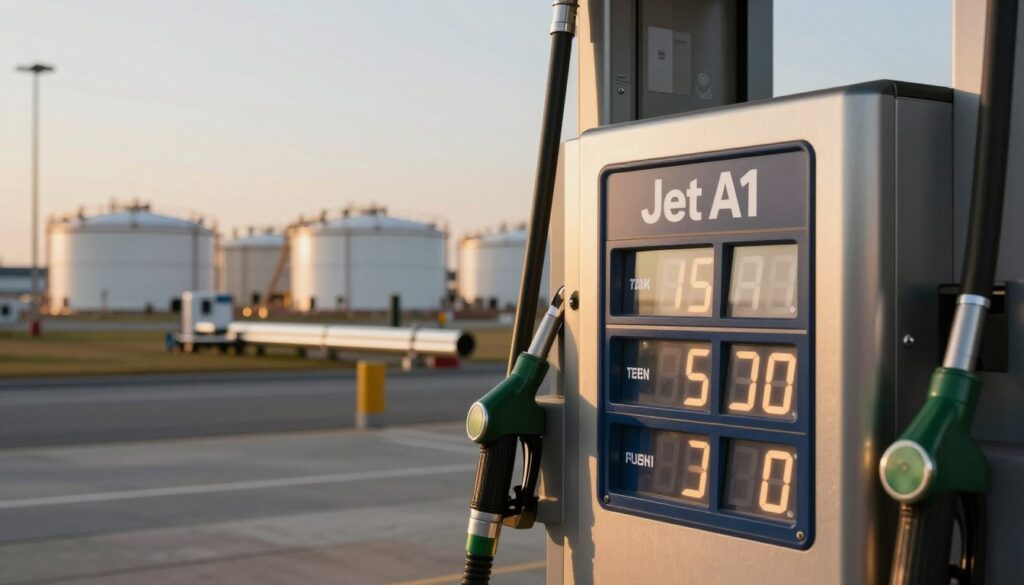
The international fuel trade is subject to constant shifts driven by geopolitical events and supply chain disruptions. These factors often lead to significant instability in the Jet A1 fuel price, which can complicate long-term budgeting for aviation and logistics firms.
Large-scale buyers must develop robust procurement strategies to mitigate the risks associated with these sudden changes. Monitoring the Jet A1 fuel price allows organisations to make informed decisions during periods of market turbulence.
By staying ahead of macroeconomic trends, businesses can better prepare for the financial realities of the global market. Proactive planning remains the most effective way to navigate the inherent risks of fuel procurement.
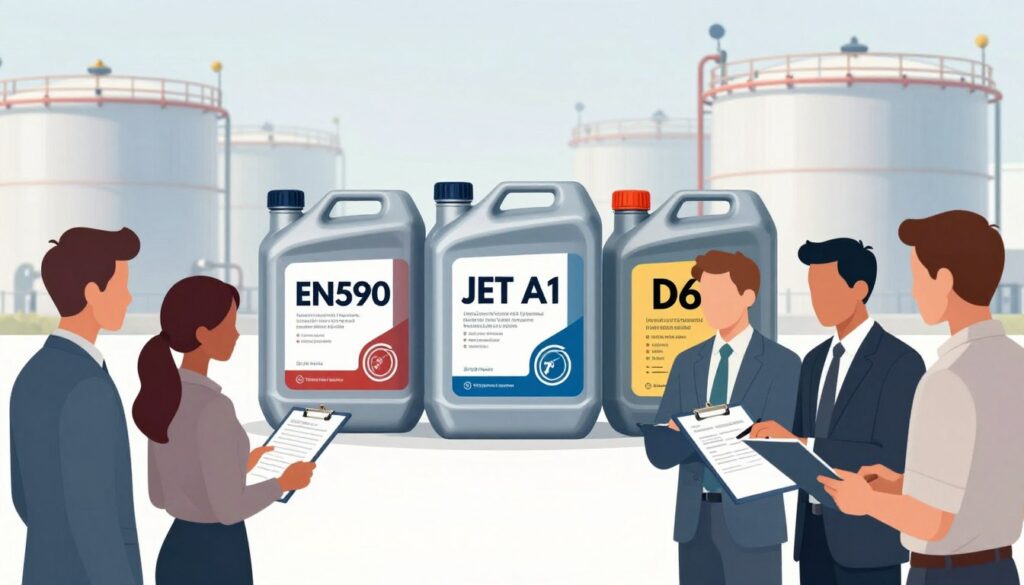
Everything You Need to Know Before Buying EN590, Jet A1 & D6 Fuel
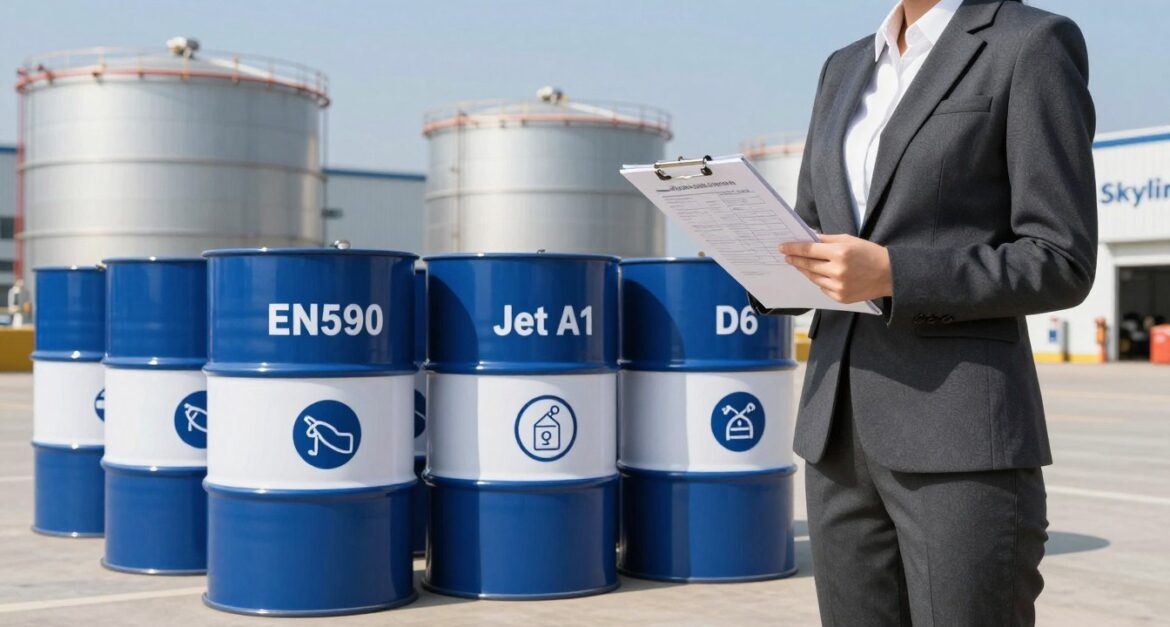
Success in the global energy market starts with a clear grasp of the differences between specific fuel grades. Whether you are a seasoned trader or a new buyer, mastering the technical profiles of these commodities is essential. This guide provides everything you need to know before buying en590, Jet A1 & D6 fuel to ensure your procurement strategy remains both efficient and compliant.
Defining EN590 Diesel Specifications
EN590 diesel is the standard for automotive diesel fuel used across the European Union and many other global markets. It is highly regarded for its low sulfur content, which helps reduce harmful emissions and protects modern engine components. When reviewing EN 590 fuel specifications, buyers must pay close attention to the cetane number and density requirements.
These standards ensure that the fuel provides optimal combustion efficiency and cold-weather performance. Consistent quality in this grade is vital for maintaining engine longevity and meeting strict environmental regulations. Always verify that your supplier provides a certificate of analysis that aligns with these rigorous benchmarks.
Jet A1 Fuel: Aviation Standards and Requirements
Jet A1 is a kerosene-grade fuel specifically formulated for turbine-engine aircraft. It must meet stringent international standards, such as the AFQRJOS, to ensure safety at high altitudes. The most critical characteristics include a specific flash point and a low freezing point, which prevent the fuel from gelling in extreme cold.
“Quality control in aviation fuel is not merely a regulatory requirement; it is the fundamental pillar of operational safety in the global aerospace industry.”
Because of the high stakes involved in aviation, the testing protocols for this fuel are exceptionally strict. Buyers should prioritise suppliers who maintain transparent supply chains and rigorous quality assurance processes. Reliability in this sector is non-negotiable for any procurement professional.
D6 Fuel Oil: Industrial Applications and Characteristics
D6 fuel oil is a residual fuel primarily used in large-scale industrial applications, such as power plants and marine vessels. Unlike lighter distillates, this heavy oil requires specific handling and heating to maintain the correct viscosity for combustion. Our buying guide for D6 fuel emphasises the importance of understanding its high energy density and potential for impurities.
Because D6 fuel oil is often used in massive boilers and furnaces, it is a cost-effective solution for heavy industry. However, buyers must be prepared for the logistical requirements associated with its storage and transport. Proper due diligence is required to ensure the product meets the necessary industrial grade for your specific equipment.
| Fuel Type | Primary Use | Key Characteristic | Handling Requirement |
|---|---|---|---|
| EN590 Diesel | Automotive/Transport | Low Sulfur | Standard Storage |
| Jet A1 | Aviation | High Flash Point | Strict Contamination Control |
| D6 Fuel Oil | Industrial/Marine | High Viscosity | Pre-heating Required |
Technical Specifications and Quality Standards
Precision in testing and compliance ensures that your fuel meets the highest international performance standards. Maintaining rigorous quality benchmarks is non-negotiable when dealing with high-grade petroleum products. By adhering to these protocols, procurement teams can mitigate risks and ensure optimal engine performance across various industrial applications.
How to Test Jet A1 Fuel Quality
To ensure safety in aviation, industry professionals must follow strict laboratory procedures. The primary method for how to test jet A1 fuel quality involves checking the flash point, freezing point, and density of the product. These tests confirm that the fuel remains stable under extreme atmospheric conditions.
Refineries typically utilise the ASTM D1655 standard to verify that jet A1 fuel meets all safety requirements. Regular sampling throughout the supply chain prevents contamination and ensures that the chemical composition remains consistent. Consistent testing is the only way to guarantee that the fuel will perform reliably in high-altitude environments.
Importance of EN590 Fuel Compliance
The importance of en590 fuel compliance cannot be overstated for modern diesel engines. This standard dictates the sulfur content, lubricity, and cetane number required for efficient combustion. By meeting these specifications, suppliers ensure that engines run cleaner and last longer, which reduces maintenance costs for fleet operators.
Compliance also plays a critical role in meeting environmental regulations across Europe and other global markets. Using certified fuel helps companies lower their carbon footprint while maintaining high power output. Strict adherence to these standards protects both the machinery and the reputation of the procurement firm.
Comparing EN590 vs Jet A1 Fuel Properties
Understanding the differences between these two products is essential for effective logistics and storage. While both are petroleum-based, their chemical structures are optimised for vastly different mechanical systems. The following table highlights the key distinctions when evaluating en590 vs. Jet A1 fuel.
| Property | EN590 Diesel | Jet A1 Fuel |
|---|---|---|
| Primary Use | Road Transport | Aviation |
| Flash Point | Minimum 55°C | Minimum 38°C |
| Freezing Point | Varies by climate | Maximum -47°C |
| Viscosity | Higher | Lower |
As shown in the data, Jet A1 fuel is specifically engineered to remain liquid at the freezing temperatures found at high altitudes. In contrast, EN590 is formulated to provide maximum torque and efficiency for heavy-duty diesel engines on the ground. Recognising these technical nuances allows buyers to select the correct product for their specific operational needs.
Navigating the Procurement Process with Skylink Imports
Navigating the intricate landscape of energy commodity procurement demands professional expertise and a commitment to transparency. Skylink Imports specialises in the procurement and supply of petroleum products for buyers worldwide. We ensure that every transaction meets the highest standards of industry compliance.
Connecting Buyers with Reputable Refineries
Our primary mission involves acting as a strategic bridge between qualified buyers and established refineries. We maintain a vast network of reputable suppliers to ensure consistent product availability. This connection allows our clients to access high-quality energy commodities without the typical market friction.
By vetting every refinery, we mitigate the risks often associated with international fuel trading. Our team verifies production capacities and quality certifications before any contract is finalised. This rigorous process provides our clients with peace of mind and reliable supply lines.
The Role of Authorised Mandates in Secure Transactions
Authorised mandates play a critical role in maintaining the integrity of our procurement operations. These professionals act as the direct link to refinery decision-makers, ensuring that all communications remain secure. By utilising authorised channels, we prevent unauthorised intermediaries from complicating the deal structure.
Transparency is the cornerstone of our approach to secure transactions. We ensure that all documentation is verified and that the chain of custody remains clear throughout the process. This commitment to security protects both the buyer and the supplier from potential fraud or miscommunication.
Streamlining Global Supply Chains
Efficiency is essential when managing the movement of bulk petroleum products across international borders. We focus on optimising every stage of the supply chain to reduce lead times and operational costs. Our logistical expertise ensures that fuel reaches its destination on schedule and in compliance with local regulations.
We provide comprehensive support to help our clients navigate complex customs and documentation requirements. By streamlining global supply chains, we allow businesses to focus on their core operations while we handle the complexities of fuel logistics. Our goal is to create a seamless experience that fosters long-term growth and stability for our partners.
Logistics and Global Supply Chain Considerations
The success of your fuel procurement strategy depends heavily on how well you manage your logistics and supply chain. Efficient movement of bulk petroleum is the backbone of the industry, requiring precise coordination between refineries and end-users. Implementing best practices for purchasing jet A1 fuel ensures that your operations remain uninterrupted and cost-effective.
Transportation Methods for Bulk Petroleum
Global petroleum distribution relies on a diverse network of transportation modes tailored to specific volume and distance requirements. Pipelines remain the most efficient method for high-volume, long-distance transport of crude and refined products. For international trade, large-scale maritime tankers provide the necessary capacity to move massive quantities across oceans.
Rail and road transport serve as critical links for the “last mile” of delivery. These methods offer flexibility when moving fuel from regional terminals to specific industrial sites or airports. Choosing the right combination of these modes is essential for maintaining a reliable supply chain.
Managing Lead Times and Delivery Schedules
Operational delays often stem from poor planning regarding lead times and transit schedules. Buyers must account for potential bottlenecks at ports, customs clearance windows, and seasonal demand spikes. By utilising best practices for purchasing jet A1 fuel, companies can build buffer periods into their procurement cycles to mitigate these risks.
Effective communication with logistics providers is vital for real-time tracking of shipments. Establishing clear delivery windows helps in coordinating downstream activities without incurring expensive demurrage charges. Proactive scheduling allows for a smoother transition from the refinery gate to your storage facility.
Storage and Handling Best Practices
Maintaining the chemical integrity of fuel requires rigorous adherence to storage and handling standards. Petroleum products are sensitive to temperature fluctuations and contamination, which can degrade quality over time. Proper infrastructure, such as double-walled tanks and advanced filtration systems, is non-negotiable for long-term storage safety.
Regular inspections and maintenance of storage facilities prevent leaks and ensure compliance with environmental regulations. Staff must be trained in standardised handling procedures to minimise the risk of spills or accidents. Following these protocols protects your investment and ensures that the fuel meets all required technical specifications upon arrival.
Risk Mitigation and Due Diligence in Fuel Trading
Due diligence serves as your primary defence against financial loss in the complex world of energy procurement. When you engage with various d6 fuel suppliers, the burden of proof lies with the buyer to ensure that every transaction is legitimate and secure. Taking the time to verify your partners protects your capital and ensures long-term operational stability.
Verifying Supplier Credentials
Before signing any agreement, you must conduct a comprehensive background check on your potential partners. Start by requesting official business registration documents, export licenses, and proof of past performance. Authentic suppliers will always be willing to provide verifiable references and evidence of their operational capacity.
It is also wise to confirm the physical existence of the refinery or storage facility. Utilising third-party inspection services can provide an objective assessment of the supplier’s ability to meet your specific volume requirements. Never rely solely on digital communication when vetting high-value energy partners.
Avoiding Common Scams in Petroleum Procurement
The global market is unfortunately prone to fraudulent actors who target inexperienced buyers. You should be wary of any D6 fuel suppliers offering prices significantly below the current market average, as this is a classic red flag. If an offer seems too good to be true, it almost certainly is.
Watch for inconsistencies in documentation, such as mismatched letterheads or suspicious banking details. Scammers often use high-pressure tactics to force a quick decision before you have time to perform proper checks. Always maintain a sceptical mindset and verify every document through independent channels.
Financial Security and Payment Instruments
Protecting your funds requires the use of secure, internationally recognised financial instruments. Relying on wire transfers for unverified entities is a major risk that should be avoided at all costs. Instead, prioritise the use of Letters of Credit (LC) or escrow services to manage your payments.
These instruments ensure that funds are only released once specific contractual milestones are met. By working with reputable banks, you create a layer of oversight that discourages fraudulent behaviour. Implementing these strict financial controls is the most effective way to safeguard your investment throughout the entire procurement lifecycle.
Regional Market Dynamics: USA, Europe, and Beyond
The international petroleum market functions through a complex web of regional demands and specific regulatory frameworks. Traders must analyse these unique environments to ensure that their procurement strategies remain both compliant and profitable across diverse borders.
Fuel Demand Trends in North America
The energy sector in North America remains a primary driver of global fuel consumption. Both the USA and Canada maintain sophisticated infrastructure that supports high-volume imports and exports of refined petroleum products.
Market participants often focus on the following trends when operating in this region:
- Increased demand for high-quality diesel to support heavy logistics and transportation networks.
- Shifting refinery outputs aimed at meeting stricter environmental standards.
- Strategic reliance on cross-border pipelines and maritime shipping lanes.
Regulatory Landscapes in the UK and Germany
Navigating the regulatory environment in Europe requires meticulous attention to detail. The UK and Germany serve as critical hubs, each enforcing rigorous quality and safety standards for imported fuels.
Compliance is not merely a suggestion but a strict requirement for market entry. Firms must ensure that all documentation aligns with local environmental mandates to avoid costly delays or legal penalties during the distribution process.
Emerging Opportunities in India
While established markets provide stability, India represents one of the most significant growth frontiers for fuel procurement. The rapid industrialisation of the country has created a surge in energy requirements that outpaces domestic production capacity.
Strategic buyers are increasingly looking toward this market to capitalise on long-term infrastructure projects. By establishing reliable supply chains now, companies can secure a competitive advantage in a region poised for sustained economic expansion.
Compliance, Documentation, and Regulatory Requirements
Regulatory compliance serves as the backbone of secure and efficient petroleum procurement across borders. Navigating the global market requires a firm grasp of the legal frameworks that govern the movement of energy commodities. Companies that prioritise these standards minimise operational risks and ensure long-term success.
Essential Export and Import Documentation
The movement of bulk fuel relies on a precise set of documents to verify ownership and quality. Commercial invoices and Bills of Lading act as the primary proof of transaction and shipment details. These documents must be accurate to prevent delays at ports of entry.
Additionally, a Certificate of Origin is often required to determine trade eligibility and applicable tariffs. Buyers should also maintain a Certificate of Quality to ensure the product meets the specific standards of the destination country. Proper documentation is the most effective way to protect your investment during transit.
International Environmental Standards
Global fuel trade is increasingly shaped by strict environmental mandates aimed at reducing carbon footprints. Organisations like the International Maritime Organisation (IMO) enforce regulations that dictate the sulfur content and emission profiles of fuels. Compliance with these standards is no longer optional for companies operating in the international arena.
Refineries and traders must adapt to these shifting requirements to maintain market access. Failure to meet environmental benchmarks can lead to heavy fines and the seizure of cargo. Staying informed about regional and global green initiatives is a critical component of modern procurement strategy.
Customs Clearance and Tax Implications
Customs clearance is a complex process that directly impacts the final cost of petroleum products. Importers must account for various tariffs, excise duties, and value-added taxes that vary significantly by jurisdiction. Understanding these financial obligations prevents unexpected expenses during the delivery phase.
The following table outlines the primary financial factors that influence the total landed cost of fuel:
| Cost Factor | Impact Level | Regulatory Focus |
|---|---|---|
| Import Tariffs | High | Trade Agreements |
| Excise Duties | High | National Revenue |
| Environmental Levies | Medium | Carbon Reduction |
Working with experienced customs brokers can streamline this process significantly. These professionals ensure that all tax filings are accurate and submitted on time. By managing these variables proactively, businesses can maintain a competitive edge in the global fuel market.
Email us: info@skylinkimports.com
Website: www.skylinkimports.com
Contact us: USA: +1 (432) 243-4545