Did you know that even a microscopic amount of water or particulate matter in jet propellant can trigger a catastrophic engine failure at high altitudes? For pilots and fleet managers, operational safety begins long before the pre-flight check. It starts with the integrity of your energy source.
Navigating the complex landscape of procurement in the United Kingdom requires a keen eye for industry benchmarks. Choosing reliable partners ensures that every drop meets rigorous international standards. This guide helps professionals identify top-tier resources to maintain peak performance.
We examine how stringent quality control protocols protect your aircraft and your reputation. By prioritising transparency and technical excellence, you can secure your supply chain against unforeseen risks. Let us explore how to make informed decisions for your specific requirements.
Key Takeaways
- Prioritise suppliers who adhere to strict international safety certifications.
- Understand the critical impact of fuel purity on long-term engine health.
- Evaluate potential partners based on their logistical reliability and testing transparency.
- Stay informed about current UK regulatory standards for energy procurement.
- Mitigate operational risks by establishing long-term relationships with verified industry leaders.
The Importance of Sourcing Premium Jet Fuel in the UK
For pilots and fleet managers in the UK, the quality of aviation fuel in the UK is not just a preference but a critical safety requirement. Ensuring that every drop of fuel meets rigorous standards is the primary defence against engine failure and performance degradation. When operators prioritise high-grade resources, they protect both their passengers and their valuable aircraft assets.
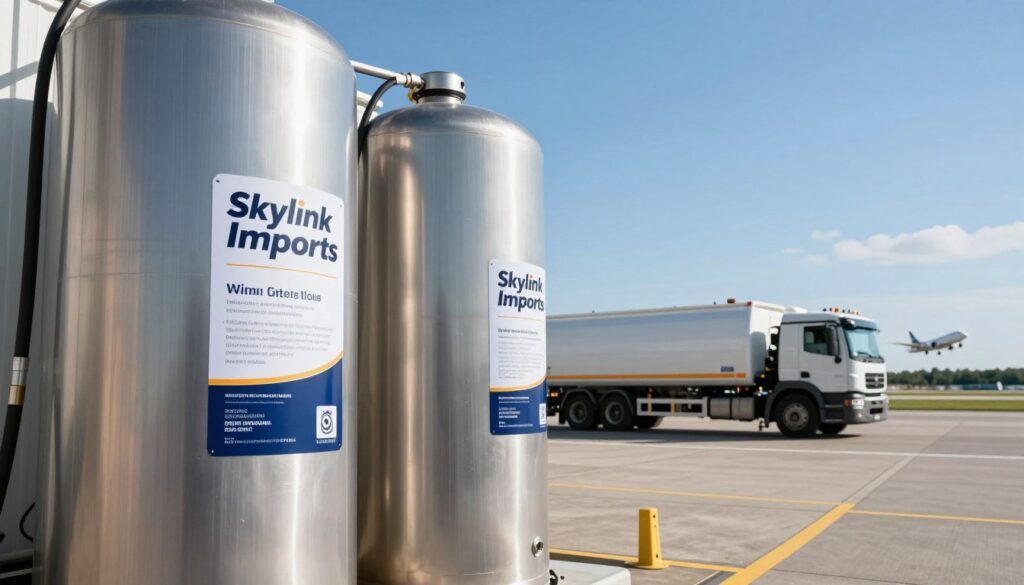
Partnering with established premium jet fuel suppliers is the most effective way to guarantee that your operations remain compliant with national regulations. These providers maintain strict quality control measures that prevent contamination and ensure the chemical stability of the fuel. By sourcing locally within the UK, businesses can also benefit from faster logistics and more reliable supply chains.
Substandard fuel poses significant operational hazards that can lead to costly maintenance issues or, in extreme cases, mid-flight emergencies. Contaminants such as water, sediment, or microbial growth can clog filters and damage sensitive fuel systems. Choosing premium jet fuel suppliers helps mitigate these risks by providing products that have undergone extensive testing and certification.
Ultimately, the commitment to high-quality aviation fuel in the UK reflects a broader dedication to professional excellence. Operators who invest in superior fuel products often see long-term savings through reduced engine wear and improved fuel efficiency. Maintaining these high standards is essential for any aviation business aiming to thrive in a competitive and safety-conscious market.
The Best Quality Aviation Fuel from the UK’s Most Trusted Suppliers
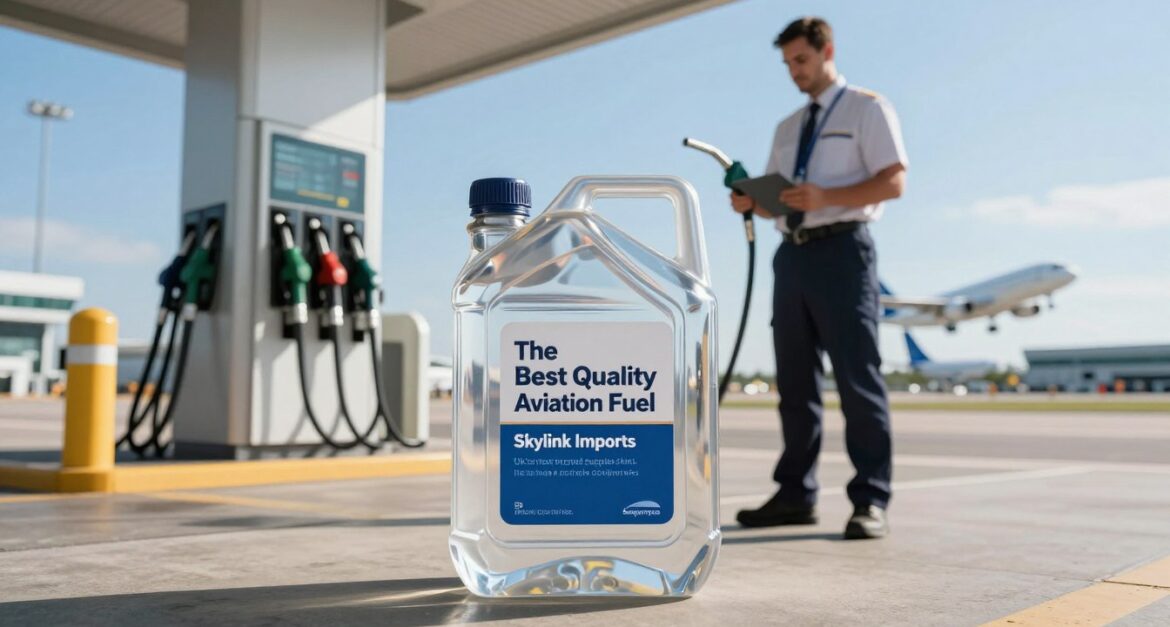
When evaluating The Best Quality Aviation Fuel from the UK’s Most Trusted Suppliers, transparency remains the most vital factor for operators. Reliable partners do not just deliver a product; they provide a comprehensive history of the fuel’s journey from the refinery to the wing. This level of openness ensures that every batch meets the strict safety requirements necessary for modern aviation.
Consistent quality is essential to ensure that every drop of jet fuel contributes to optimal engine performance and long-term reliability. When fuel quality fluctuates, it can lead to premature wear or unexpected maintenance issues that ground aircraft. Therefore, choosing a supplier with a proven track record is a strategic decision for any flight department.
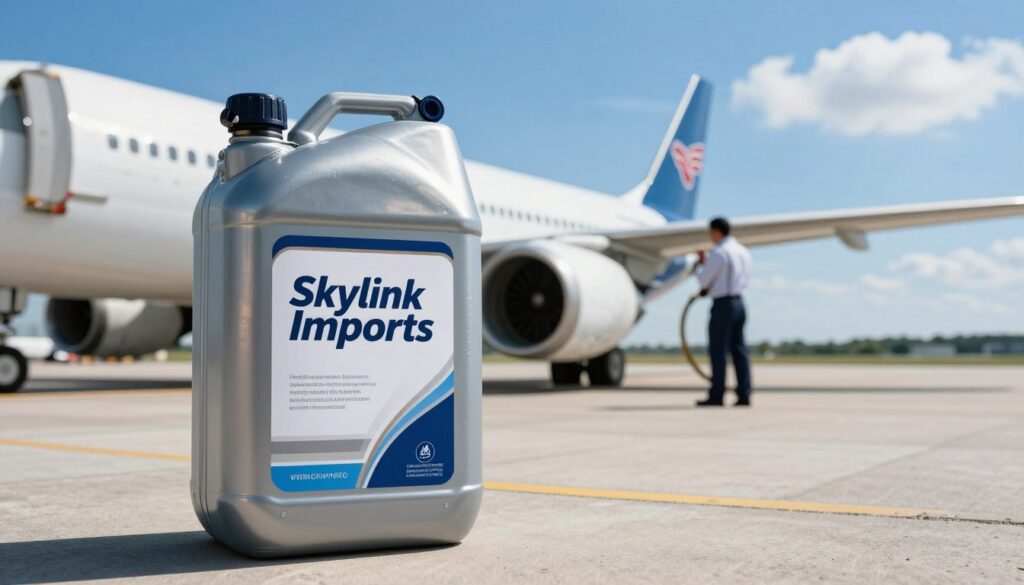
To distinguish top-tier providers from the rest of the market, operators should look for specific indicators of excellence. These markers help verify that the jet fuel you receive is free from contaminants and meets all international safety benchmarks.
- Supply Chain Transparency: Full documentation of the fuel’s origin and handling history.
- Rigorous Testing Protocols: Regular laboratory analysis to confirm purity and chemical stability.
- Compliance Certification: Adherence to both UK and international aviation standards for all fuel grades.
- Logistical Reliability: A proven ability to maintain consistent supply levels even during market volatility.
Ultimately, the goal is to minimise risk while maximising the efficiency of your aircraft. By prioritising these criteria, you ensure that your jet fuel procurement process supports the highest standards of safety and operational success across the United Kingdom.
Skylink Imports: Bridging Global Procurement and Aviation Needs
Bridging the gap between global production and aviation needs, Skylink Imports provides essential support to the industry. The company acts as a vital link, connecting top-tier manufacturers with operators who demand excellence. By streamlining complex logistics, they ensure that high-quality resources reach their destination without delay.
Core Principles of Efficiency and Reliability
At the heart of the company lies a commitment to operational excellence. Skylink Imports understands that the aviation sector cannot afford downtime caused by supply chain failures. Their business model focuses on these key pillars:
- Unwavering Consistency: Maintaining strict quality control across every shipment.
- Streamlined Logistics: Reducing lead times through optimised distribution routes.
- Proactive Communication: Keeping clients informed at every stage of the procurement process.
These principles allow the firm to stand out among reliable aviation fuel suppliers. By prioritising the needs of the end-user, they foster long-term partnerships built on trust and performance.
Global Sourcing Capabilities for North American and European Markets
The reach of Skylink Imports extends far beyond local borders. They have cultivated a robust network that spans across North America, including key hubs in Canada and the United States. This extensive footprint ensures that aviation operators have access to premium fuel regardless of their geographic location.
Furthermore, their strategic presence in Europe allows for seamless coordination with international regulatory bodies. By leveraging these global connections, they remain one of the most reliable aviation fuel suppliers in the modern market. Their ability to navigate diverse regulatory landscapes makes them an indispensable partner for any aviation enterprise.
Understanding Aviation Fuel Standards and Certification
The safety of every journey begins with the rigorous testing of aviation fuel against established international protocols. Aviation fuel must adhere to strict benchmarks to ensure safe operation across diverse environmental conditions. Utilising certified fuel for aircraft is the primary way operators mitigate risks and maintain peak engine performance.
The Role of ASTM and DEF STAN Specifications
Global aviation relies on two primary pillars of regulation: ASTM International and the UK’s Defence Standard (DEF STAN) specifications. These organisations define the chemical and physical properties that fuel must possess to be considered airworthy. Precision is vital, as even minor deviations in fuel composition can lead to significant operational failures.
ASTM standards provide the framework for global consistency, while DEF STAN often addresses specific requirements for military and civil aviation within the United Kingdom. By aligning with these benchmarks, suppliers ensure that their products remain stable under extreme temperature fluctuations and high-pressure environments. This technical alignment is what makes certified fuel for aircraft a reliable choice for modern fleets.
Why Certified Fuel is Non-Negotiable for Aircraft Safety
Certification is not merely a bureaucratic requirement; it is a critical safeguard for the aircraft and the passengers on board. When fuel meets these stringent standards, it guarantees that the product is free from harmful contaminants and possesses the correct thermal stability. Using uncertified or substandard fuel can lead to catastrophic engine damage, fuel system blockages, or loss of power during critical flight phases.
Ultimately, the decision to source certified fuel for aircraft reflects a commitment to operational excellence and safety. Professional operators understand that the cost of compliance is far lower than the potential impact of a fuel-related incident. By adhering to these non-negotiable standards, the aviation industry continues to uphold its high reputation for reliability and passenger protection.
Key Characteristics of High-Quality Aircraft Fuel
High-quality aircraft fuel is defined by its ability to withstand extreme environmental conditions without compromising engine integrity. Operators must recognise that the chemical composition of their fuel directly influences the longevity and reliability of their aircraft systems. By prioritising superior standards, aviation professionals ensure that every flight remains safe and efficient.
Purity Levels and Contaminant Prevention
The presence of microscopic contaminants can lead to catastrophic engine failure if left unchecked. High-quality aircraft fuel undergoes rigorous refining processes to remove water, sediment, and surfactants that could clog fuel lines or damage sensitive components.
Maintaining such purity levels is essential for the following reasons:
- Prevention of microbial growth within fuel tanks.
- Reduction of wear on fuel pumps and metering units.
- Consistent combustion cycles that protect internal engine parts.
Thermal Stability and Performance Under Pressure
Aviation engines operate in environments where temperatures fluctuate rapidly between ground level and high altitudes. High-quality aircraft fuel must maintain its chemical stability under these intense thermal pressures to prevent the formation of deposits or “coking” within the fuel system.
When fuel remains stable, it ensures a smooth flow to the combustion chamber regardless of external conditions. This reliability is critical for maintaining thrust and preventing power loss during critical phases of flight.
| Characteristic | Impact on Engine | Safety Benefit |
|---|---|---|
| Thermal Stability | Prevents deposit buildup | Consistent power output |
| Low Contaminant Level | Protects fuel injectors | Reduced mechanical failure |
| Chemical Purity | Optimizes combustion | Extended engine lifespan |
Ultimately, investing inhigh-quality aircraft fuel is a proactive measure for any aviation business. By focusing on these core characteristics, operators can significantly reduce maintenance costs and improve overall flight safety.
Logistics and Supply Chain Management for Aviation Fuel
Top-rated aviation fuel distributors play a critical role in maintaining the operational readiness of the aerospace sector. The movement of fuel from large-scale refineries to active flight lines requires meticulous planning and a deep understanding of regional infrastructure. By optimising these complex pathways, providers ensure that high-quality energy sources remain available exactly when and where they are needed most.
Navigating Distribution Networks in the United Kingdom
The geography of the aviation fuel UK market presents unique challenges that require sophisticated logistical solutions. Distributors must coordinate between major coastal import terminals and inland storage facilities to maintain a steady flow. This network relies on a combination of pipeline infrastructure, rail transport, and specialised road tankers to bridge the gap between supply and demand.
“Efficiency in the supply chain is not merely about speed; it is about the absolute reliability of the product delivered to the wing.”
To succeed in the UK, companies must adhere to strict safety protocols while managing these intricate distribution channels. Successful logistics management involves:
- Real-time tracking of fuel shipments to ensure supply chain transparency.
- Strategic placement of storage reserves to mitigate potential market volatility.
- Rigorous maintenance of transport fleets to prevent contamination during transit.
Ensuring Timely Delivery to Airports and Private Hangars
Operational delays can be incredibly costly for private pilots and commercial airlines alike. Top-rated aviation fuel distributors prioritise precision scheduling to ensure that fuel reaches its destination without interruption. Whether serving a busy international hub or a quiet private hangar, the focus remains on consistent, on-time performance.
Specialised equipment is often required to handle the final stage of delivery, ensuring that the fuel remains within strict quality specifications. By leveraging advanced logistics software, providers can anticipate demand spikes and adjust their delivery routes accordingly. This proactive approach is essential for maintaining the high standards expected within the aviation fuel uk industry.
The Impact of Fuel Quality on Engine Longevity
The long-term health of an aircraft engine is inextricably linked to the quality of the jet fuel it consumes. When operators prioritise high-grade supplies, they protect the delicate internal components of the turbine from premature wear. Consistent use of refined fuel ensures that the engine operates within its intended design parameters for years to come.
Reducing Maintenance Costs Through Premium Fuel
Investing in premium jet fuel is a strategic decision that pays dividends in reduced maintenance overhead. Lower-quality alternatives often contain impurities that accelerate the degradation of combustion liners and turbine blades. By choosing certified products, fleet managers can significantly extend the time between overhauls.
Reliability is the cornerstone of successful aviation operations. When engines run cleaner, the frequency of unscheduled maintenance events drops dramatically. This stability allows for better financial planning and ensures that aircraft remain in the air rather than in the hangar.
Preventing Corrosion and Fuel System Blockages
High-quality jet fuel acts as a safeguard against the most common threats to fuel system integrity. Contaminants and moisture in substandard fuel can lead to internal corrosion, which compromises the structural safety of fuel lines and pumps. Furthermore, impurities often cause dangerous blockages that restrict flow and threaten engine performance during critical flight phases.
Using refined, filtered fuel minimises the risk of microbial growth and sediment buildup within the tanks. This proactive approach prevents the need for expensive chemical treatments or complete system flushes. Maintaining a clean fuel system is essential for the longevity of every aircraft in your fleet.
| Fuel Quality Metric | Standard Grade Impact | Premium Grade Impact |
|---|---|---|
| Maintenance Frequency | High (Frequent checks) | Low (Extended intervals) |
| Corrosion Risk | Moderate to High | Negligible |
| System Blockage Rate | Increased | Minimal |
| Overall Engine Life | Reduced | Optimized |
Global Reach: Serving Clients in Canada, India, and the USA
Our commitment to excellence extends far beyond the United Kingdom, reaching clients in major global aviation hubs. Providing consistent fuel quality requires a deep understanding of the unique logistical and regulatory landscapes found in Canada, India, and the USA. We ensure that every delivery meets the specific safety benchmarks required by international aviation authorities.
Adapting to International Regulatory Requirements
Operating across diverse jurisdictions presents significant challenges for fuel suppliers. Each region maintains its own set of technical specifications that must be strictly followed to ensure engine performance. By staying ahead of these regulatory shifts, we provide our partners with the peace of mind that their fuel supply remains compliant regardless of the destination.
Whether serving the vast geography of North America or the rapidly growing aviation sector in India, our team prioritises precision. We maintain rigorous documentation to verify that every batch of fuel adheres to the necessary international standards. This proactive approach prevents costly delays and ensures that aircraft remain mission-ready at all times.
Strategic Partnerships Across Germany and Europe
Building a reliable supply chain also relies on strong collaboration with regional experts. Our strategic partnerships across Germany and the broader European region allow us to streamline distribution networks effectively. These alliances help us navigate local infrastructure while maintaining the high quality our clients expect.
By leveraging local expertise, we can respond quickly to changing market demands and supply chain fluctuations. These strategic relationships are essential for maintaining a seamless flow of premium aviation fuel across borders. We remain dedicated to fostering these connections to support the long-term success of our international clientele.
Evaluating Trusted Jet Fuel Providers
Your choice of fuel provider directly influences the safety and performance of your aircraft. Selecting premium jet fuel suppliers requires more than just comparing price points; it demands a deep dive into their operational integrity and supply chain transparency.
Transparency in Sourcing and Documentation
A reputable partner must provide clear visibility into their supply chain. You should always request comprehensive documentation for every batch of fuel delivered to your hangar.
This documentation serves as proof that the product meets international quality benchmarks. By verifying the origin and handling history, you ensure that you are receiving certified fuel for aircraft that has not been compromised during transit.
Track Record of Safety and Compliance
Reliability is built on a foundation of consistent safety protocols. When vetting reliable aviation fuel suppliers, examine their history of regulatory compliance and their adherence to industry-standard safety audits.
Trusted jet fuel providers will gladly share their safety records and certifications upon request. To assist in your evaluation, consider the following checklist for your procurement team:
- Verify that the supplier holds current certifications from recognised aviation authorities.
- Request batch-specific quality reports to confirm chemical purity.
- Assess the provider’s history regarding delivery timelines and emergency response capabilities.
- Confirm that their storage facilities meet modern environmental and safety regulations.
Prioritising these factors helps mitigate risks associated with fuel contamination or supply chain disruptions. By maintaining high standards in your selection process, you protect your fleet and ensure long-term operational success.
Future Trends in Aviation Fuel Procurement
The landscape of aviation fuel procurement is evolving rapidly as the industry prioritises greener solutions. Top-rated aviation fuel distributors are now at the forefront of this transition, balancing traditional supply chains with emerging environmental mandates. This shift requires a proactive approach to sourcing and logistics to maintain operational excellence.
The Shift Toward Sustainable Aviation Fuel (SAF)
The aviation sector is currently undergoing a significant transition toward Sustainable Aviation Fuel (SAF) to meet global carbon reduction targets. This move represents a fundamental change in how airlines and private operators secure their energy supplies. By integrating bio-based feedstocks, the industry aims to lower its environmental footprint without sacrificing engine performance.
Trusted jet fuel providers are playing a critical role in this transition by ensuring that SAF meets the same rigorous safety standards as conventional kerosene. These suppliers are investing in infrastructure that allows for the seamless blending of sustainable components. This ensures that the transition remains smooth for aircraft operators across the United Kingdom.
Technological Advancements in Fuel Quality Testing
As new fuel types enter the market, the importance of advanced testing protocols has never been higher. Modern laboratories now utilise sophisticated sensors to verify the chemical composition of high-quality aircraft fuel. These technological leaps allow for real-time monitoring of fuel stability and purity, which is essential for modern turbine engines.
By leveraging digital diagnostics, top-rated aviation fuel distributors can identify potential contaminants before they reach the aircraft. This precision testing provides peace of mind to operators who rely on consistent performance. Furthermore, these advancements ensure that trusted jet fuel providers can maintain compliance with evolving international safety regulations.
| Fuel Type | Carbon Impact | Performance | Availability |
|---|---|---|---|
| Conventional Jet A-1 | High | Excellent | High |
| Sustainable Aviation Fuel | Low | Excellent | Growing |
| Synthetic Fuel | Very Low | High | Emerging |
Email us: info@skylinkimports.com
Website: www.skylinkimports.com