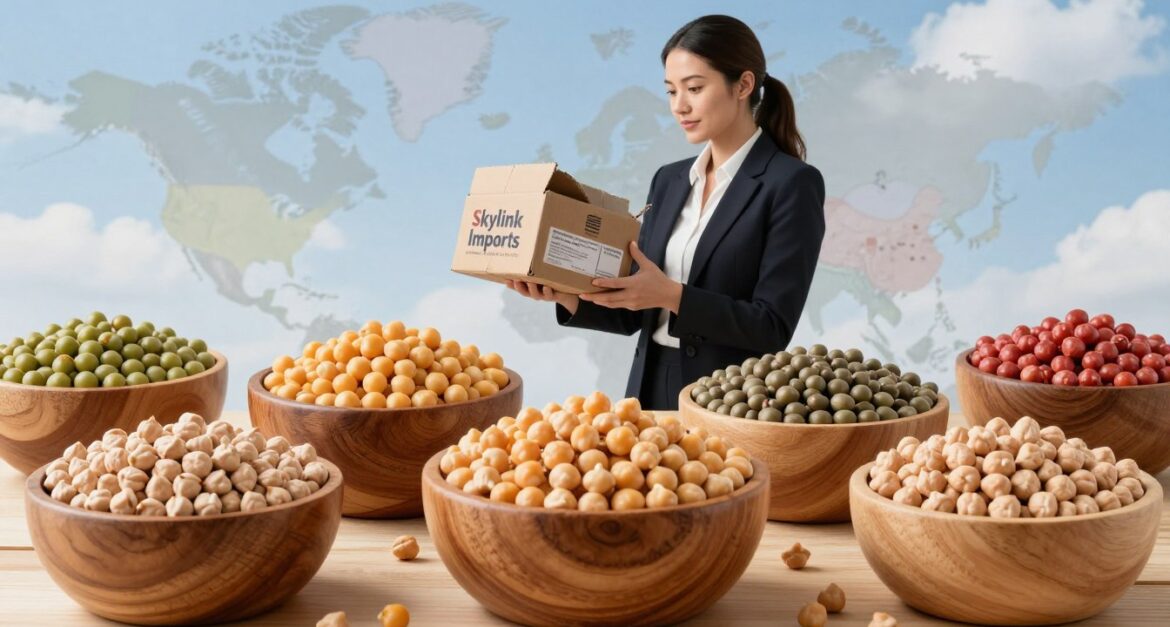
Did you know that global demand for pulses has surged by over 20% in the last decade? This massive shift highlights a critical need for efficient logistics when moving high-quality legumes intoNorth America.
Businesses must secure consistent inventory to thrive in this competitive market. Selecting a reliable partner is essential for navigating complex international food trade regulations.
Strategic planning ensures your supply chain remains resilient against global market fluctuations. Understanding these nuances is vital for long-term success in North America.
Key Takeaways
- Global pulse demand is rising rapidly.
- Supply chain reliability is paramount for growth.
- Regulatory compliance prevents costly shipping delays.
- Strategic partnerships reduce operational risks significantly.
- Market intelligence drives consistent inventory flow.
Understanding the Global Chickpea Market
Navigating the intricacies of the worldwide chickpea market requires a deep dive into regional production hubs and consumption patterns. As global food systems evolve, the stability of your supply chain depends on recognising how major agricultural powerhouses influence international pricing and availability.
Key Producing Regions and Export Trends
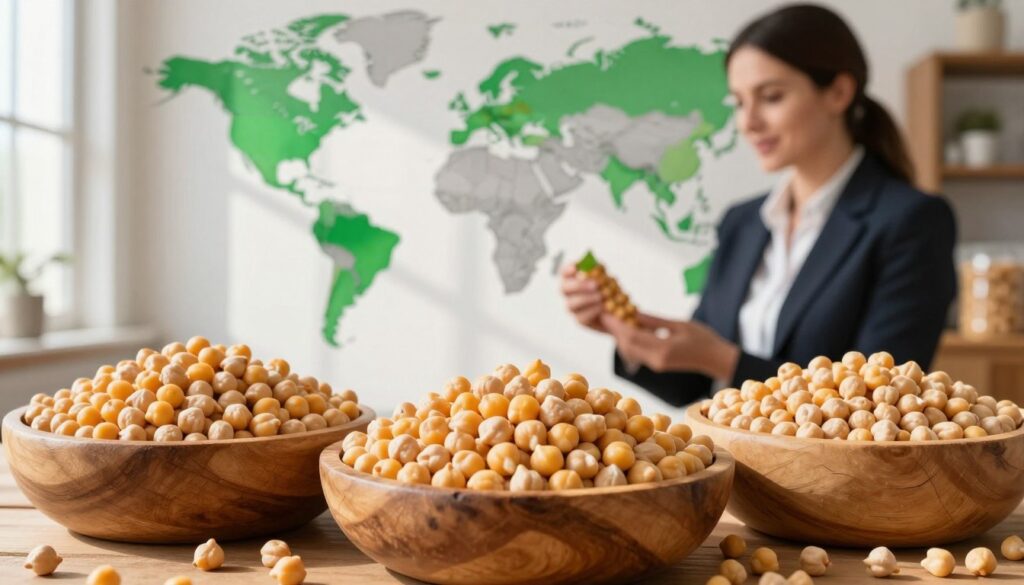
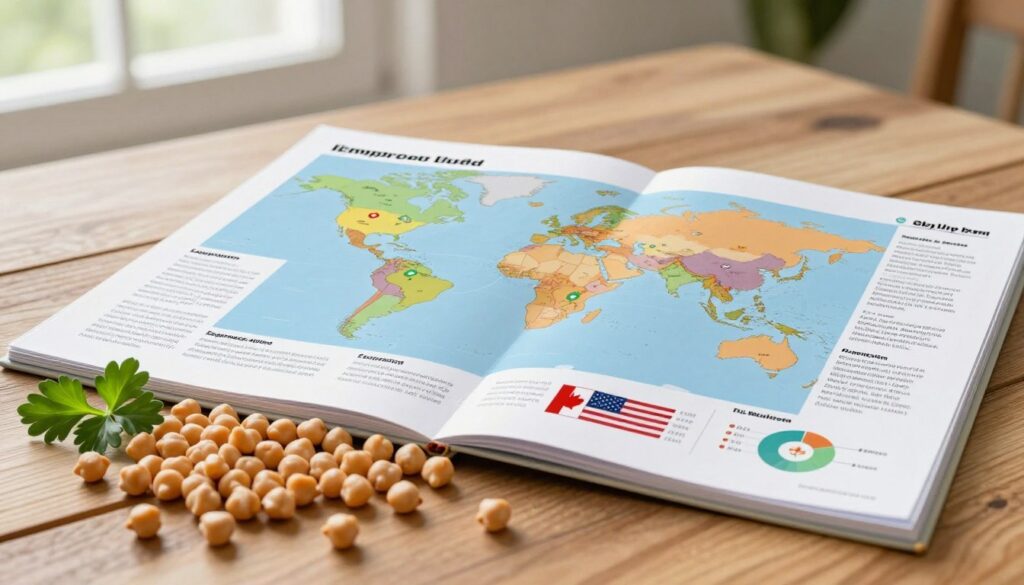
The global supply of pulses is heavily concentrated in specific geographic zones that benefit from favourable climates. India remains the largest producer, though its massive domestic consumption often limits its surplus for international trade. Consequently, global importers frequently look toward Canada, which has emerged as a dominant force in the export market due to its high-quality production standards.
Shifting weather patterns and trade policies in these regions create constant fluctuations in market supply. By monitoring these trends, businesses can identify the best chickpea export to the USA & canada opportunities before prices peak. Maintaining a diverse portfolio of suppliers helps mitigate the risks associated with regional harvest failures.
Demand Drivers in North America
The North American market is currently experiencing a surge in demand for plant-based proteins, which directly impacts pulse imports. Consumers are increasingly prioritising healthy, sustainable food sources, making chickpeas a staple in modern diets. This shift has forced importers to streamline their logistics to ensure consistent shelf availability.
The following table highlights the production characteristics of key global players:
| Country | Primary Export Type | Market Influence |
|---|---|---|
| India | Desi Chickpeas | High Domestic Demand |
| Canada | Kabuli Chickpeas | Export-Oriented Growth |
| Australia | Kabuli & Desi | Strategic Seasonal Supply |
| Mexico | Large Kabuli | Premium Quality Focus |
Understanding these regional strengths allows procurement managers to make informed decisions. By aligning with the right partners in Canada or India, companies can ensure they remain competitive in a rapidly changing landscape.
The Best Chickpeas Export to USA & Canada: Complete Import Guide
Securing a reliable chickpea import guide is the first step toward building a successful supply chain in the North American market. Businesses must prioritise compliance to ensure that their shipments move through customs without unnecessary delays or legal hurdles.
Navigating Regulatory Frameworks
The regulatory landscape for food imports into the USA is governed by strict federal oversight. Importers must register their facilities with the Food and Drug Administration (FDA) and provide prior notice for every shipment entering the country.
Failure to meet these requirements often results in the detention or destruction of goods at the border. Companies should maintain a proactive approach by keeping updated records of all safety certifications and supplier audits.
Quality Standards for International Trade
Beyond legal compliance, maintaining high quality is essential for long-term success in the competitive pulse market. Buyers look for specific benchmarks regarding moisture content, purity, and physical appearance to ensure the product meets consumer expectations.
Standardising these metrics helps exporters build trust with their partners. The following table outlines the critical quality and compliance factors that importers must monitor when shipping to the USA.
| Requirement Category | Primary Focus | Compliance Goal |
|---|---|---|
| FDA Registration | Facility Verification | Legal Entry |
| Moisture Levels | Shelf-life Stability | Prevent Spoilage |
| Purity Standards | Foreign Material | Consumer Safety |
| Grading Standards | Size Uniformity | Market Value |
Sourcing Premium Chickpeas Through Skylink Imports
When sourcing premium legumes, the choice of a procurement partner defines your supply chain success. Skylink Imports has established itself as a vital bridge for businesses looking to navigate the complexities of international trade. By connecting global manufacturers directly with North American consumers, they ensure a seamless flow of high-quality goods.
Why Skylink Imports is a Vital Bridge for Procurement
The company leverages an extensive international network to maintain a competitive edge in the market. Their operations, which include strategic reach into the UK, allow them to identify and secure the best harvests available. This global perspective positions them as a top chickpea exporter, capable of meeting the specific demands of diverse clients.
By acting as a specialised intermediary, Skylink Imports removes the friction often associated with cross-border procurement. They manage the intricacies of logistics and supplier relations, allowing businesses to focus on their core operations. This streamlined approach is essential for maintaining a steady supply of premium products.
Commitment to Efficiency and Reliability
Efficiency remains the cornerstone of the Skylink Imports business model. Every step of the procurement process is optimised to reduce lead times and ensure that shipments arrive on schedule. This dedication to speed does not come at the expense of quality, as rigorous standards are applied to every batch.
Reliability is equally critical for long-term success in the food industry. Clients trust the company to deliver consistent product quality, regardless of the scale of their order. Whether you are a large distributor or a growing enterprise, their unwavering commitment ensures that your inventory needs are met with precision and care.
Essential Documentation for Chickpea Imports
Preparing the right documents is the most critical step for any business importing chickpeas into the United States. Without precise paperwork, even the highest quality shipments can face costly delays or rejection at the border. Maintaining a transparent and organised filing system ensures that your logistics remain efficient and compliant with federal regulations.
Bill of Lading and Commercial Invoices
The Bill of Lading serves as the primary legal contract between the shipper and the carrier. It acts as a receipt for the cargo and outlines the specific terms of transport. When you partner with a professional chickpea supplier in the USA, they will provide this document to verify the quantity and condition of the goods upon departure.
Equally important is the Commercial Invoice, which details the transaction value and the nature of the product. This document is essential for customs officials to determine the correct tariff classifications and duties. Accuracy here is vital, as any discrepancy between the invoice and the actual shipment can trigger an audit.
Phytosanitary Certificates and Compliance
International trade requires strict adherence to health and safety standards to prevent the spread of pests. A Phytosanitary Certificate acts as official proof that your shipment has been inspected and meets all agricultural requirements. These standards are often as rigorous as those enforced in Germany, ensuring that only safe, high-quality products enter the market.
To maintain a smooth import process, ensure your documentation includes the following essential items:
- Bill of Lading for proof of ownership and transport.
- Commercial Invoice detailing the value and origin of the chickpeas.
- Phytosanitary Certificate confirming the shipment is free from pests.
- Packing List provides a breakdown of the weight and volume.
- Certificate of Origin to verify where the product was harvested.
By working closely with a trusted chickpea supplier in the USA, you can ensure that every document is prepared correctly before the cargo leaves the port. Proactive management of these files prevents logistical bottlenecks and protects your investment throughout the supply chain.
Import Regulations and Customs Procedures in the USA
Navigating the complex landscape of American food import laws requires precision and foresight. Companies must adhere to strict federal mandates to ensure their products reach the market without delay. While many firms focus heavily on the United States, it is also common to evaluate chickpea import regulations in Canada to maintain a broader North American distribution strategy.
FDA Requirements for Food Imports
The Food and Drug Administration (FDA) enforces rigorous safety standards for all food products entering the United States. Every foreign facility that manufactures, processes, or packs food for the American market must register with the FDA. This registration ensures that the agency can track the origin of goods in the event of a safety concern.
Beyond registration, importers are required to provide Prior Notice for every shipment. This notification must be submitted to the FDA before the goods arrive at the port of entry. Failure to provide accurate documentation can lead to shipment delays or even the refusal of entry at the border.
Customs Brokerage and Tariff Classifications
Managing the movement of goods through customs is a technical process that often requires the expertise of a licensed customs broker. These professionals act as a vital link between the importer and government agencies. They ensure that all shipments are correctly classified under the Harmonised Tariff Schedule (HTS).
Correct classification is essential because it determines the duty rates and potential trade restrictions applied to your cargo. A skilled broker helps you navigate these complexities, ensuring that your compliance documentation is flawless. By maintaining high standards in your customs filings, you protect your supply chain from unexpected costs and logistical bottlenecks.
Navigating Canadian Import Requirements
Expanding your pulse trade into Canada demands strict adherence to federal food safety protocols. When you partner with the best chickpeas export company, you ensure that every shipment meets the high expectations of northern retailers and consumers alike.
Canadian Food Inspection Agency (CFIA) Guidelines
The Canadian Food Inspection Agency (CFIA) serves as the primary authority for all food imports. Exporters must obtain the necessary Safe Food for Canadians (SFC) license to move products across the border legally.
Compliance involves rigorous documentation regarding the origin and safety of the legumes.
“Regulatory excellence is the foundation of sustainable international trade,”
notes a leading industry expert. This commitment to safety is what separates a top-tier supplier from the rest of the market.
Labelling and Packaging Standards for Canada
Canada enforces strict rules regarding how food products are presented to the public. All packaging must feature bilingual labelling, providing information in both English and French to satisfy local consumer protection laws.
Beyond language, your packaging must clearly display the following elements:
- Accurate net weight declarations in metric units.
- Detailed nutrition facts tables follow local formatting.
- Clear country of origin labelling for transparency.
- Contact information for the Canadian importer or distributor.
By prioritising these standards, the best chickpea export company ensures that your goods reach shelves in Canada without unnecessary delays. Proper attention to these details protects your brand reputation and fosters long-term growth in this competitive region.
Logistics and Supply Chain Management
The journey of high-quality legumes from origin to destination involves complex logistical steps. When managing the chickpea import process, businesses must account for the vast distance between production hubs in Europe and the final markets in North America. A well-structured supply chain minimises delays and protects the value of the shipment.
Choosing the Right Shipping Methods
Selecting the appropriate transportation mode is a critical decision for importers. Ocean freight remains the most common choice for bulk shipments due to its cost-effectiveness over long distances. Importers typically utilize standard dry containers, though specialised ventilated containers are often preferred to prevent moisture buildup.
- Full Container Load (FCL): Ideal for large-scale importers seeking to maximise space and reduce handling risks.
- Less than Container Load (LCL): A flexible option for smaller shipments that allows for shared container costs.
- Intermodal Transport: Seamlessly connecting sea, rail, and road networks to ensure timely delivery to inland distribution centres.
Managing Cold Chain and Storage Requirements
Maintaining product integrity requires strict adherence to environmental controls throughout the transit phase. While chickpeas are shelf-stable, exposure to extreme humidity or temperature fluctuations in Europe or during ocean transit can compromise quality. Proper storage protocols prevent mould growth and preserve the nutritional profile of the legumes.
Effective management involves monitoring the chickpea import process from the moment of loading to final delivery. Warehousing facilities must be climate-controlled and pest-free to ensure the product remains in optimal condition. By prioritising these logistical standards, importers can guarantee that their inventory meets the high expectations of North American consumers.
Quality Control and Inspection Protocols
Rigorous inspection protocols serve as the final gatekeeper for premium agricultural products. When managing global supply chains, importers must ensure that every batch aligns with strict chickpea import requirements to maintain market access. These procedures protect the integrity of the product from the farm to the final consumer.
Testing for Purity and Moisture Content
The technical evaluation of chickpeas begins with a deep analysis of physical purity. Laboratories check for foreign materials, such as stones, dust, or damaged grains, which can compromise the quality of the entire shipment. Precision is essential during this phase to prevent contamination issues.
Moisture content is another critical factor that dictates the shelf life and safety of the legumes. If the moisture level exceeds standard thresholds, the risk of mould growth and spoilage increases significantly during transit. Importers must verify that moisture levels remain within the optimal range of 10% to 12% to ensure long-term stability.
Ensuring Consistency Across Shipments
Consistency is the hallmark of a reliable supplier and is vital for building long-term brand trust. By implementing standardised testing protocols, businesses can guarantee that every delivery meets the same high expectations. This uniformity is a core component of meeting complex chickpea import requirements in the United States.
Regular audits and batch testing allow importers to identify potential issues before they reach the warehouse. Maintaining a consistent profile in size, colour, and texture helps satisfy the specific needs of food manufacturers and retail distributors. The following table outlines the key quality metrics that must be monitored for every incoming shipment.
| Quality Metric | Acceptable Range | Impact on Quality |
|---|---|---|
| Moisture Content | 10% – 12% | Prevents mould and spoilage |
| Foreign Material | Less than 0.5% | Ensures food safety standards |
| Damaged Grains | Maximum 2% | Maintains visual appeal |
| Uniformity (Size) | Standardized Grade | Ensures consistent cooking time |
Strategic Partnerships for Long-Term Success
Sustainable growth in the pulse industry is built upon the bedrock of reliable, long-term partnerships. When companies prioritise these connections, they create a stable foundation for the chickpea export to North America. This approach transforms simple transactions into collaborative ventures that benefit all parties involved.
Building Relationships with Reliable Suppliers
Establishing trust with international suppliers is essential for maintaining consistent quality. Communication serves as the primary tool for aligning expectations regarding harvest standards and delivery timelines. By investing time in these relationships, importers can secure priority access to premium crops even during periods of high market demand.
“In the global trade of agricultural commodities, the strength of your supply chain is only as robust as the relationships you cultivate with your partners on the ground.”
Reliable suppliers act as an extension of your own business operations. They provide critical insights into local market conditions that might otherwise remain hidden. This transparency allows for better planning and helps mitigate risks associated with the chickpea export to North America.
Leveraging Global Procurement Networks
Market volatility remains a constant challenge for international traders. Leveraging a diverse procurement network provides a significant competitive advantage by offering multiple sourcing options. This flexibility ensures that your supply chain remains resilient against regional disruptions or unexpected climate events.
Companies that diversify their networks are better positioned to maintain steady inventory levels. This strategic foresight is vital for meeting the consistent demand for chickpea exports to North America. The following table highlights the differences between traditional transactional models and strategic partnerships.
| Feature | Transactional Model | Strategic Partnership |
|---|---|---|
| Primary Focus | Lowest Price | Long-term Value |
| Communication | Reactive | Proactive & Open |
| Risk Management | Limited | Collaborative |
| Supply Stability | Variable | High Consistency |
Ultimately, the goal is to create a seamless flow of goods from the farm to the final destination. By focusing on strategic collaboration, businesses can navigate the complexities of international trade with confidence. These partnerships are the key to achieving lasting success in a competitive global marketplace.
Email us: info@skylinkimports.com
Website: www.skylinkimports.com