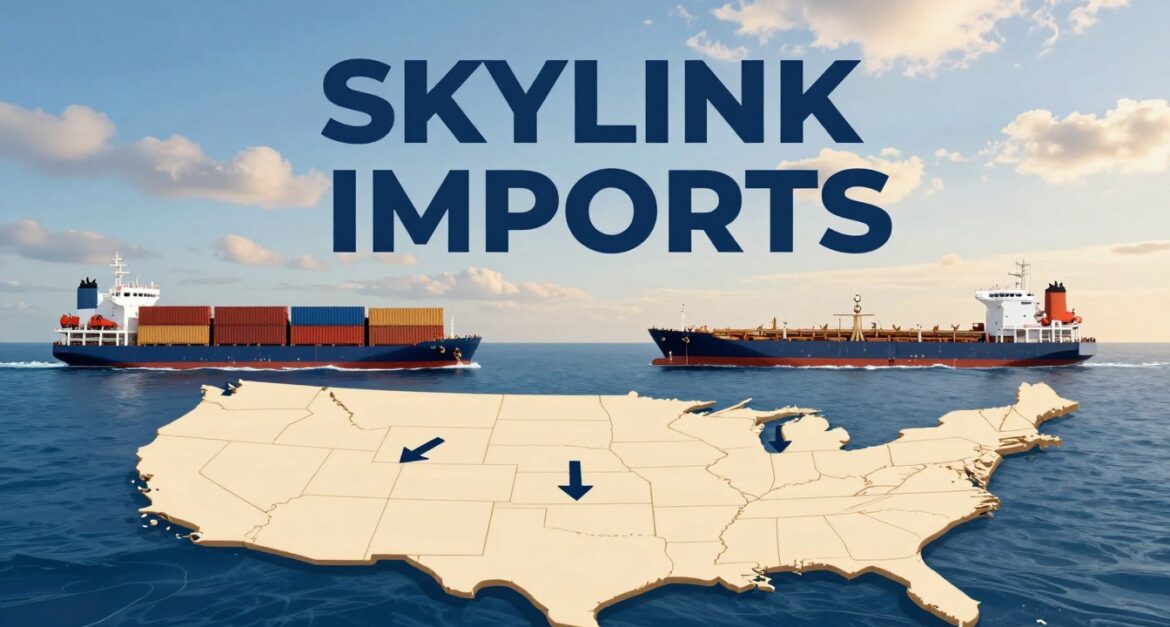
Did you know that the United States imported over 8 million barrels of gasoline per day last year? This staggering statistic underscores the crucial role that gasoline imports play in meeting the energy needs of American consumers and businesses alike. In this ultimate guide, we will delve into the complex world of importing gasoline, with a keen focus on Skylink Imports and its expertise in the field.
Skylink Imports expertly connects manufacturers to consumers, making the import process not just more efficient but also compliant with U.S. regulations.
Understanding the intricacies of gasoline imports is essential for both businesses and individual consumers. This guide will provide insights into the gasoline import process, regulations, documentation requirements, and the challenges faced in this sector. Join us as we navigate through this important industry and discover how Skylink Imports is paving the way for the future of gasoline imports in the USA.
Key Takeaways
- Gasoline imports are vital to meeting U.S. energy demands.
- Skylink Imports specializes in efficient gasoline sourcing.
- Compliance with import regulations is crucial for businesses.
- Understanding documentation can streamline the import process.
- The global gasoline market influences local prices and supply.
Introduction to Gasoline Imports
Gasoline imports play a crucial role in shaping the U.S. gasoline market. These imports provide a significant portion of the fuel needed to meet the demands of consumers and industry alike. As the global economy continues to evolve, the dynamics of fuel trade have become increasingly complex, influencing both pricing and availability of gasoline in the United States.
The flow of gasoline from international exporters to domestic distributors is essential for maintaining a steady supply in the U.S. market. This consistent supply impacts not only the pricing of gasoline but also the overall economic landscape, including job creation and economic growth in the fuel sector. Companies engaged in gasoline imports must navigate various challenges, including fluctuations in global oil prices and political factors that can affect trade agreements.
Environmental and regulatory considerations are also paramount in the gasoline import sector. With a heightened focus on sustainability and reducing carbon footprints, fuel trade must comply with strict regulations aimed at protecting the environment. This calls for ongoing efforts to improve efficiency and adopt cleaner technologies in gasoline sourcing and distribution.
The interplay of these factors underscores the importance of gasoline imports in the U.S. economy. Understanding the various aspects of the fuel trade provides valuable insights into the complexities of the broader energy market and its implications for future energy policy.
Understanding the Global Gasoline Market
The global gasoline market is a complex network that connects various economies through international trade. Understanding its dynamics reveals how relationships between countries impact gasoline imports, particularly for the USA. Major players in this market include Canada, the United Arab Emirates, Germany, and India, each contributing to the gasoline supply chain in unique ways.
Pricing in the global gasoline market is influenced by multiple factors, including geopolitical tensions, changes in crude oil prices, and shifts in demand across different regions. For instance, an increase in demand from Asia can lead to price fluctuations that affect supply chains globally. Understanding how these elements interact provides invaluable insights for companies navigating the gasoline import process.
The gasoline supply chain is critical to ensuring that fuel reaches consumers efficiently. This chain involves production, refining, distribution, and retail stages. The interconnectedness of these steps requires smooth operations across borders, emphasizing the necessity of collaboration and compliance with international standards.
Increased awareness of these dynamics helps stakeholders make informed decisions. Evaluating the geopolitical environment and market conditions remains essential for anticipating potential disruptions in the gasoline supply chain. Companies like Skylink Imports operate within this intricate landscape, working to secure reliable sources of gasoline while navigating the fluctuations present in international trade.
The Role of Skylink Imports in Gasoline Sourcing
Skylink Imports stands as a pivotal entity in the arena of gasoline sourcing. With a commitment to excellence, the company meticulously engages in international procurement to ensure a consistent supply of high-quality gasoline. Its network of suppliers spans across various regions, allowing Skylink to meet diverse market demands effectively.
The mission of Skylink Imports revolves around establishing reliable connections between manufacturers and consumers. By prioritizing strong relationships with suppliers, Skylink enhances the efficiency of the import process. This dedication to quality reflects in the products sourced, ensuring that they meet industry standards while catering to the varying needs of clients.
Furthermore, Skylink’s focus on sustainability contributes significantly to economic growth. The company understands the importance of responsible sourcing practices and strives to minimize the environmental impact of gasoline imports. With an emphasis on *transparency* and *quality*, Skylink Imports plays a vital role in shaping the future of gasoline sourcing in the United States.
| Aspect | Skylink Imports | Other Suppliers |
|---|---|---|
| Quality Assurance | High level of quality control | Variable quality assurance |
| Supply Network | Wide-ranging international network | Limited regional suppliers |
| Sustainability | Committed to environmentally responsible sourcing | Varies by supplier |
| Customer Support | Dedicated support team | General customer service |
Through strategic gasoline sourcing and a strong global presence, Skylink Imports continues to be an essential partner for businesses seeking to navigate the complexities of the gasoline import market.
Gasoline Import Requirements in the USA
Understanding gasoline import requirements in the USA is essential for businesses aiming to navigate the complex landscape of regulations. The regulatory bodies play a pivotal role in ensuring compliance, which is vital for successful operations in the import market. Businesses must familiarize themselves with the necessary standards to avoid penalties and facilitate smooth transactions.
Overview of Regulatory Bodies
In the United States, key regulatory bodies govern the importation of gasoline, ensuring adherence to safety and environmental standards. The Environmental Protection Agency (EPA) establishes regulations that address air quality and environmental concerns. The Department of Transportation (DOT) oversees the transportation aspects, ensuring products are handled and transported securely. Compliance with these regulatory bodies is crucial for any entity involved in gasoline imports.
Compliance with EN590 Standards
EN590 compliance is a critical aspect of gasoline imports, as it stipulates the quality requirements for diesel fuels. This standard aims to minimize environmental impact while ensuring consumer safety. Gasoline importers must ensure their products are tested and certified to meet these specific quality benchmarks. Failure to comply with EN590 standards could result in fines and the rejection of products at the border, underscoring the importance of understanding these regulations.

| Regulatory Body | Primary Role | Compliance Importance |
|---|---|---|
| Environmental Protection Agency (EPA) | Regulates environmental impact and air quality | Essential for eco-friendly operations |
| Department of Transportation (DOT) | Oversees safe transportation and logistics | Crucial for reducing accidents and incidents |
| International Organization for Standardization (ISO) | Establishes international quality standards | Promotes global trade efficiency |
| American Society for Testing and Materials (ASTM) | Sets quality standards for gasoline products | Key for market reliability |
Gasoline Import Process Explained
The gasoline import process involves several critical steps that ensure a smooth transition of fuel from foreign suppliers to American consumers. This journey begins with origin selection, where importers identify suitable countries based on production quality and pricing. Key players in the industry, such as Skylink Imports, assist in making these informed decisions, streamlining the selection process.
Once the origin is determined, logistics come into play. Transportation methods must be arranged, taking into account the most efficient routes and available vessels. Efficient logistics not only minimize costs but also ensure timely delivery, which is essential in the highly competitive gasoline market.
Next, customs clearance serves as a pivotal stage in the gasoline import process. Importers must navigate complex regulations set by various authorities, ensuring compliance with all necessary documentation and standards. This step requires attention to detail for smooth entry into the U.S. market, often facilitated by experts in the field.
Finally, distribution channels must be set up. Once gasoline clears customs, it needs to be transported efficiently to various distribution points across the country, ready to meet consumer demand. Understanding this entire process can demystify the intricacies of importing gasoline and highlight the vital role that logistics play throughout each stage.
Documentation Needed for Gasoline Imports
Successful gasoline imports heavily rely on proper documentation. Understanding the necessary paperwork ensures compliance with regulatory requirements and streamlines the importing process. Essential paperwork plays a critical role in avoiding delays and ensuring all import standards are met.
Essential Paperwork for Import Compliance
When importing gasoline, several key documents are essential. These include:
- Import permits: Required for legal entry of gasoline into the country.
- Certificates of quality: Validate that the gasoline meets the specified standards, especially regarding the EN590 compliance.
- Customs declarations: Necessary for customs clearance, detailing the nature and value of the imported goods.
- Bill of lading: Acts as a receipt issued by the carrier, providing proof of shipment.
The absence of any of these documents can lead to compliance issues and halt the import process.
Common Mistakes to Avoid in Documentation
Many businesses encounter pitfalls when handling gasoline import documentation. Common errors include:
- Incomplete paperwork: Missing or incomplete forms can delay processing.
- Incorrect information: Errors in data can lead to compliance complications.
- Failure to update records: Keeping outdated documents can lead to misunderstandings with regulatory bodies.
Staying attentive to these details is crucial for maintaining smooth operations and ensuring expedited compliance.

Gasoline Import Regulations and Laws
Gasoline imports to the United States are governed by a complex framework of regulations and laws at both federal and state levels. Businesses involved in the fuel trade must stay informed about the comprehensive gasoline import regulations to ensure compliance and avoid hefty fines. Federal laws primarily focus on safety, emissions standards, and environmental protections.
At the federal level, the Environmental Protection Agency (EPA) plays a pivotal role in regulating fuel quality, including gasoline specification standards. The Energy Policy Act also establishes guidelines for the importation of fuels to support energy independence. Additionally, the Department of Transportation oversees the transportation of gasoline, ensuring safe handling from ports to distribution centers.
State regulations can vary significantly. Some states impose stricter limits on emissions and fuel composition, targeting air quality improvements. It is essential for importers to verify local regulations that may apply, which can significantly affect the logistics and feasibility of gasoline import operations.
| Regulatory Body | Focus Area | Key Regulations |
|---|---|---|
| Environmental Protection Agency (EPA) | Fuel Quality and Emissions | Clean Air Act, Fuel Quality Standards |
| Department of Transportation (DOT) | Transportation Safety | Hazardous Materials Regulations |
| State Environmental Agencies | Local Emissions and Quality Standards | State-Specific Clean Air Regulations |
Understanding these gasoline import regulations and U.S. laws is essential for companies seeking to import fuel economically and legally. This knowledge helps navigate the complexities of the regulatory landscape effectively, ensuring sustainability and compliance within the industry.
Best Exporters of Gasoline to the USA
The landscape of gasoline exports to the USA is shaped by several key players known for their reliability and quality. Among the best exporters, Canada stands out as a leading source of gasoline. With an extensive pipeline infrastructure, Canada significantly contributes to the steady supply of gasoline from Canada to the United States.
The United Arab Emirates (UAE) is another important exporter, recognized for its high-quality gasoline products. UAE’s strategic location enhances its shipping capabilities, making it a valuable partner in the gasoline trade with the USA. Exporters in the UAE benefit from advanced logistics that ensure timely deliveries.
Germany plays a vital role in the European gasoline market, known for its stringent quality standards. German exporters deliver gasoline that meets rigorous specifications, catering to the needs of the US market. Their established relationships with shipping companies bolster their presence in this competitive field.
India is emerging as a significant player in the gasoline export sector. With a growing refining capacity, India’s economies of scale allow it to offer competitive prices on gasoline exports. Collaborations between Skylink Imports and Indian exporters are paving the way for increased gasoline supply to meet the demands of US consumers.
By partnering with these best exporters, Skylink Imports ensures access to premium gasoline while navigating the complexities of international logistics and regulations. The collaboration aims at maintaining consistent quality and supply, benefiting all stakeholders involved.
| Exporter Country | Notable Features | Market Share | Logistics Strength |
|---|---|---|---|
| Canada | Extensive pipeline infrastructure | 30% | Strong cross-border logistics |
| UAE | High-quality gasoline | 25% | Efficient shipping capabilities |
| Germany | Stringent quality standards | 20% | Established shipping networks |
| India | Competitive pricing, growing capacity | 15% | Developing logistics infrastructure |
Skylink Imports: Your Partner in Gasoline Imports
In the competitive landscape of fuel sourcing, partnering with a reliable gasoline import partner can significantly enhance operational efficiency. Skylink Imports stands out as an expert in the field, providing essential services that streamline the gasoline import process.
Skylink Imports offers a range of services designed to support businesses in obeying compliance regulations, managing supply chains, and coordinating shipping logistics. Their extensive knowledge of the gasoline market combined with robust industry connections ensures smoother transactions for clients.
With Skylink Imports, customers can expect:
- Consultation on Compliance: Guidance is given to navigate the complex regulatory landscape surrounding gasoline imports.
- Supply Chain Management: Expertise in optimizing logistics leads to more efficient operations.
- Shipping Logistics: Coordinated shipping solutions result in reliable access to imported gasoline.
Skylink Imports positions itself as the go-to partner for businesses looking to navigate the intricate fuel import landscape. Their commitment to excellence in service delivery contributes to a seamless experience in gasoline sourcing.
Challenges in the Gasoline Import Business
The gasoline import sector encounters various challenges that complicate operations and affect profitability. Understanding the intricacies of logistics and supply chain issues is crucial for stakeholders aiming to maintain efficiency and meet consumer demands. Factors such as fluctuating fuel prices, stringent regulations, and trade barriers contribute to the complexities experienced in this industry.
Logistical and Supply Chain Issues
Effective logistics play a pivotal role in the gasoline import process. Disruptions in transportation networks can lead to delays and increased costs, posing significant challenges in gasoline import operations. Stakeholders must navigate various logistical hurdles, including securing transportation, managing inventory levels, and ensuring compliance with international shipping regulations.
The following table outlines common logistical and supply chain issues faced in gasoline imports, highlighting their potential impacts:
| Issue | Impact |
|---|---|
| Fluctuating Fuel Prices | Affects cost predictions and budgeting for importers. |
| Transportation Disruptions | Delays shipments, resulting in supply shortages. |
| Trade Barriers | Imposes additional tariffs and regulations, increasing costs. |
| Compliance Failures | Can lead to fines and loss of import privileges. |
| Inventory Management | Challenges in maintaining optimal levels leading to overstock or shortages. |
Addressing these challenges in gasoline import requires experience and strategic planning. Companies like Skylink Imports understand the nuances involved in navigating these issues, providing valuable insights and solutions to ensure successful import operations.
Conclusion
In summary, understanding the intricacies of gasoline imports is essential for businesses looking to navigate the U.S. market successfully. This guide has highlighted key components such as regulatory compliance, documentation requirements, and the vital role that Skylink Imports plays in streamlining the importing process. Familiarity with these elements not only ensures adherence to U.S. regulations but also enhances operational efficiency.
Skylink Imports is more than just a facilitator in the gasoline import space—it’s a dedicated partner committed to helping businesses overcome challenges and leverage best practices. By utilizing the expertise and resources offered by Skylink, companies can confidently embark on their gasoline importing ventures, knowing they have reliable support throughout the entire process.
This summary of guidelines serves as a foundation for businesses aiming to optimize their gasoline import strategies. Emphasizing the importance of collaboration and adherence to regulations, Skylink Imports endeavors to create a seamless and efficient importing experience for its partners in the industry.
FAQ
What are the key requirements for importing gasoline into the USA?
How does Skylink Imports support gasoline importers?
Which countries are the top exporters of gasoline to the USA?
What documentation is required for gasoline imports?
What challenges do businesses face in the gasoline import sector?
Are there environmental considerations when importing gasoline?
What is the importance of understanding gasoline import regulations?
How does the gasoline import process work?

E-MAIL US
info@skylinkimports.com
SUPPORT 27/7
+1 (403) 266-9394, +91-9041-543543,
+1 (917) 672-6581
OUR LOCATIONS
Calgary, Alberta | Mohali, Punjab